
Drainage System on a Plot: Functions and Types of Projects
How to properly design a drainage system on a plot. Varieties, features, and advantages of systems.
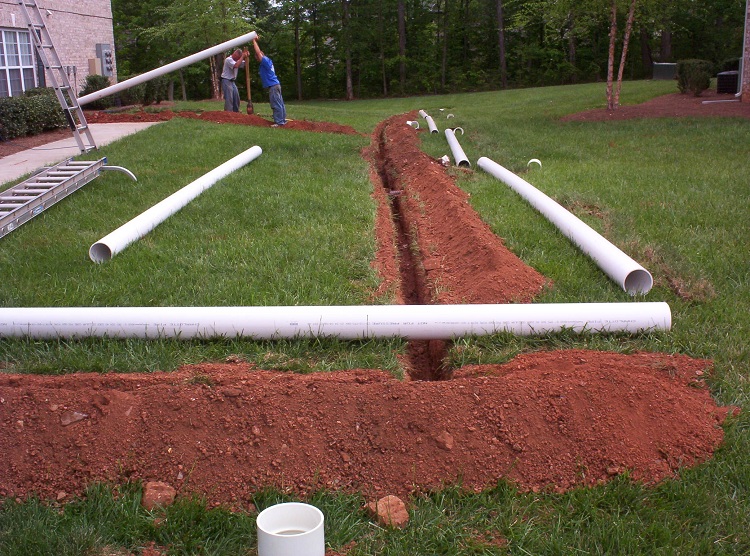
Water is necessary for the normal growth and development of plants. However, in excess, it can cause the roots of grass, flowers, shrubs, and trees to rot. This negatively affects the condition of buildings. Therefore, one of the main tasks of a modern suburban plot owner is to develop and implement an effective drainage system. This can be achieved by consulting with specialists from AG garden design, who develop individual projects. Drainage will help protect structures and adjacent areas from precipitation and high groundwater levels.
Features of Designing a Drainage System
When developing a drainage project, numerous factors must be considered. The main ones include soil composition, depth of groundwater, topography characteristics, and plot location zone (plain, lower slope, etc.).
Specialists state that drainage is a highly necessary measure for areas where groundwater flows are located no lower than 1.5 meters from the surface. Such systems are recommended for plots with steep slopes and sensitive to erosion of fertile soil. They are indispensable on clay soils, which have low permeability.
Main Purposes and Types of Drainage Systems
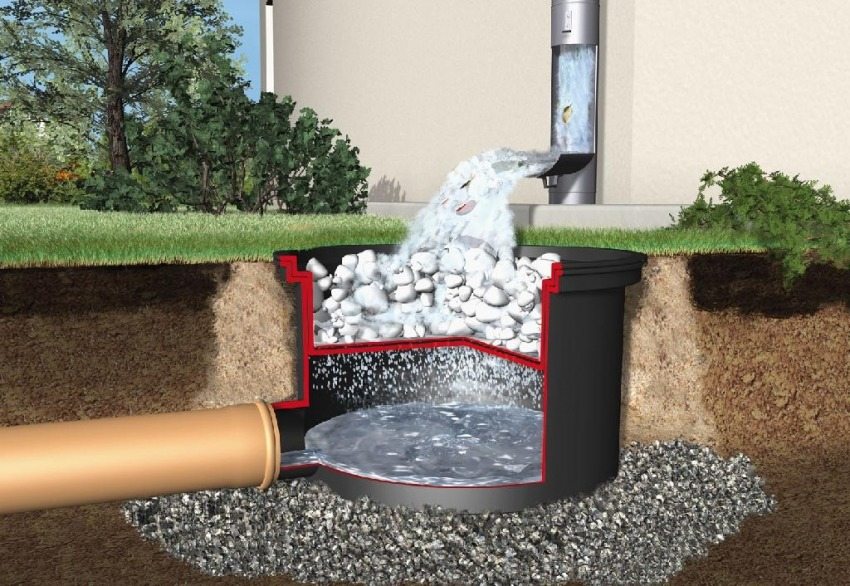
These projects are used to prevent root rot, extend the lifespan of foundations, prevent moisture from entering basements, avoid risks of disrupting septic tank placement, and ensure comfortable conditions for movement, gardening, and leisure.
There are several types of drainage systems. The most common among them are:
- open;
- potter;
- moles;
- brick.
Open drainage is distinguished by its simplest, cheapest, and fastest installation method. It involves digging trenches around the plot. Its main drawbacks are the need for constant maintenance and significant impact on the landscape.
The potter drainage system uses plastic or clay pipe sections. The latter are laid in trenches following a pattern resembling a tree. Moles drainage is recommended for clay soils. When installing, a continuous drain is formed within the soil layer. The brick method involves creating one trench with a well installed inside. It is suitable for small areas.
Based on materials: https://ag-gardendesign.ru/services/planning-and-design/proektirovanie-drenazha/.
Editorial team agronom.info
Materials are prepared by the portal's agronomists and editors. We use only trusted sources: Ukrainian agricultural universities, variety registries, open scientific publications.

Comments · 0