
High-Quality Saplings – The Key to a High Yield
A lush, fruit-bearing garden is a gardener's dream. Is it difficult to grow such a garden? Without good saplings and specific knowledge — yes. Even if you take a plant for planting from a neighboring healthy plot, it may not…
A lush, fruit-bearing garden — a gardener's dream. Is it difficult to grow such a garden? Without good saplings and specific knowledge — yes. Even if you take a plant for planting from a neighboring healthy plot, it may not take root. There are various reasons: a weak root system, an infected shoot, an unfortunate transplanting time, poorly prepared planting site, or something else.
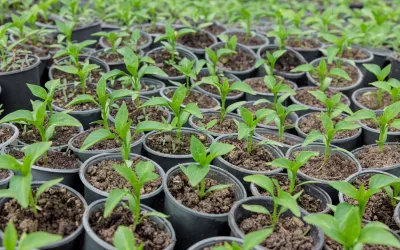
Sometimes, ripe seeds or pits from your own garden fruit germinate, giving hope that the tree will bear good fruit similar to the tasty fruits. There's always a chance, but those who professionally cultivate fruit tree saplings do not rely on it, since they know that properly prepared material and suitable conditions are needed. All this is created in specialized nurseries, where it takes up to three years to prepare a sapling for planting:
- Seedless, virus-free selected material is sown in ecologically clean soil.
- Favorable, but not greenhouse, conditions are created for germination.
- Only high-quality seedlings are selected for transplanting to rooting sites.
It takes about two years to form a healthy root system, after which the sapling can be planted in the garden or on a dacha plot. There's no need to search for a nursery to buy fruit tree saplings — they can be ordered through a specialized online store.
Garden Planning
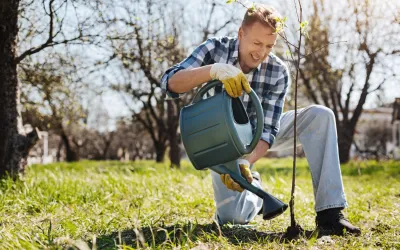
It seems that planting a garden is not a difficult task: buy saplings, dig holes, and then just water. But this is done at the last stage — first, you need to assess the plot:
- soil type;
- light exposure;
- watering method;
- presence of other plants;
- climatic conditions.
The second step — selecting the varieties and types of fruit trees you want to see in your garden, taking into account their growth requirements. The best ones adapt well to plots: apple, pear, plum, cherry, peach. More demanding, but fruit-bearing, are selected peaches and apricots. Before ordering, you need to clarify the requirements of fruit trees for pollination, minimum temperatures, soil.
Cold-resistant stone fruits, such as apples and pears, are recommended to be planted in autumn, when the leaves turn yellow. Before frost, they will have time to root and begin active growth. In spring planting, this process will proceed more slowly. However, warm-loving stone fruits are better planted in spring, although, if the winter is warm, autumn planting can also yield good results, but the risk of disease remains.
To ensure young trees take root, you need to take care of fertilization, watering, and good lighting for the plot — nothing should hinder the newly planted sapling.
Preparing Planting Material
Many hope that a specialized fair or gardeners' sellers are a guarantee of quality saplings. Unfortunately, by the time the garden bears fruit, it may turn out that a completely different variety has settled in the garden, for which you paid. And this is not the only hidden trap — disappointment may await even before planting, when it turns out that the root is damaged. Another major problem will be disease, which the sapling contracted even as a seed or pit.
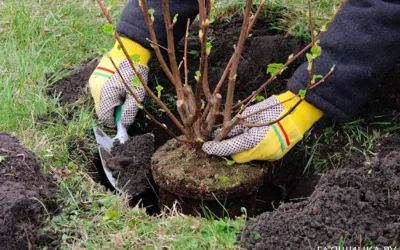
This is another reason to think about where to buy trees for your garden. In nurseries, planting material undergoes disinfection and is grafted to protect against common diseases. The roots of saplings intended for shipping are carefully placed in a bag with substrate, which prevents damage or drying. In this condition, it is easier to transplant into the soil for its "permanent residence".
A consultation with a specialist who is interested in long-term cooperation is also advisable. Such specialists work at the GreenDecor store.
Editorial team agronom.info
Materials are prepared by the portal's agronomists and editors. We use only trusted sources: Ukrainian agricultural universities, variety registries, open scientific publications.
Comments · 0