
Hydroponic Fertilizers: Types, Selection Recommendations
Hydroponics is a relatively new technology for growing various crops without soil, using nutrient solutions. How to choose fertilizer for hydroponic systems.
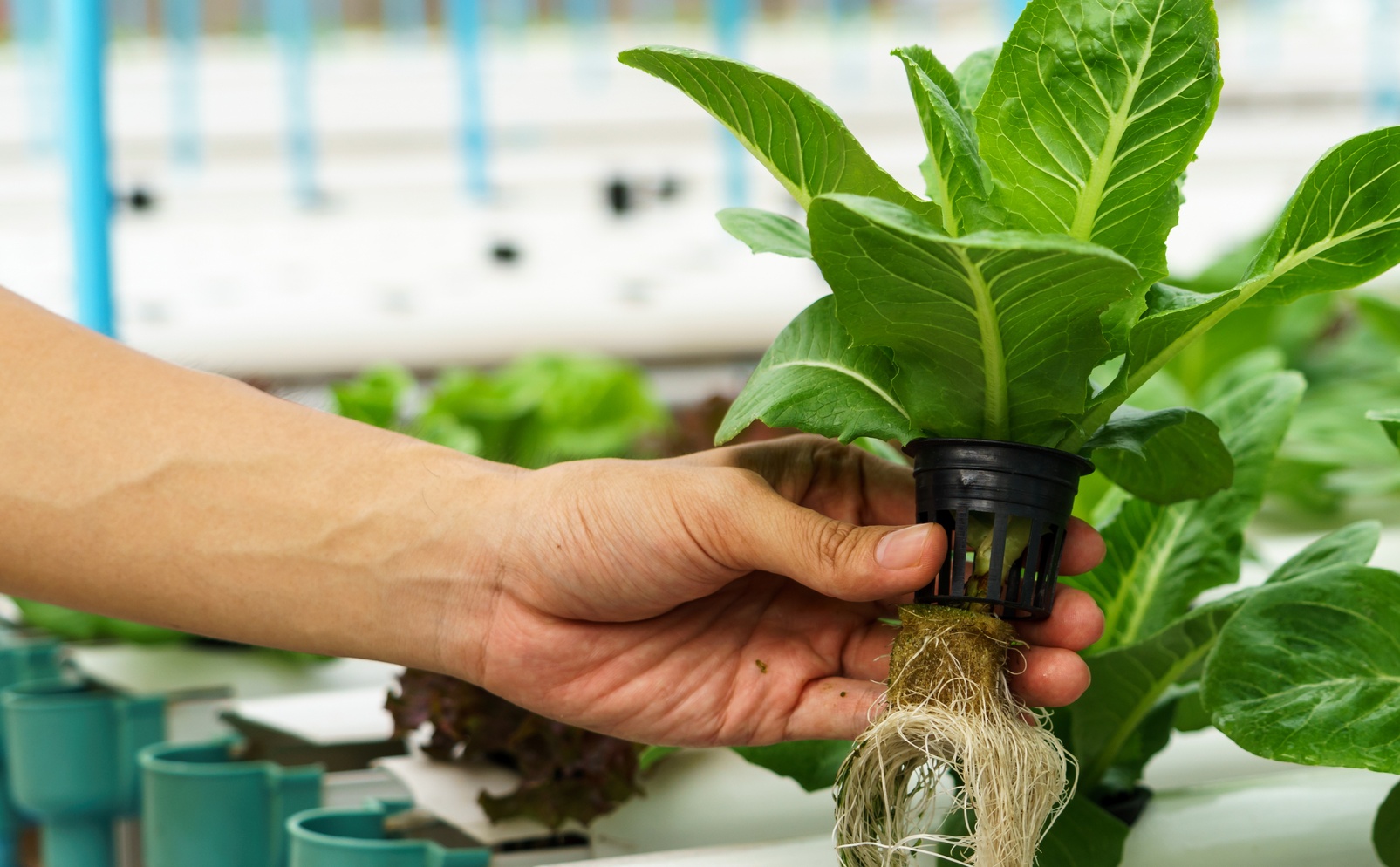
Hydroponics is a relatively new technology for growing various crops without soil, using nutrient solutions. How to choose fertilizer for hydroponic systems.
Features of Fertilizer Use in Hydroponics
When growing plants using hydroponics, a gardener should understand the principles of fertilizer use for such systems, either using ready-made solutions or preparing them manually. The easiest option is to purchase pre-prepared industrial mixes, which will provide the plant with everything necessary for growth.
Purchase fertilizers from the online store Growpro, where a wide selection of products from leading manufacturers is available in the catalogs accessible via the link. Hydroponic fertilizers have convenient forms, including various elements that plants need (potassium, iron, etc.).
Nutrient solutions are diluted in water, following dosage recommendations. The advantage of hydroponics is that plants do not expend energy searching for necessary elements; the main thing is to accurately prepare the solution by adding the optimal volume of components, taking into account the specific needs of the crop.
In hydroponics, necessary components are added to water. Most often, gardeners use pre-prepared complex formulations, which are based on mineral components, quickly absorbed by the crop and do not require additional processing. A wide range of balanced mixes is available for sale, including micro- and macroelements for better growth.
When selecting fertilizers for preparing the solution, consider their classification and composition, as well as the required proportions of elements.
Manufacturers offer two main types of fertilizers:
- organic (with plant and animal components);
- mineral (including inorganic substances).
Note that for setting up lighting systems in greenhouses or for home plant cultivation, you can use lamps with electronic ballasts, which are characterized by low energy consumption, long service life, and practically silent operation. The lamps are equipped with a "smart" processor.
Types of Fertilizers for Hydroponic Systems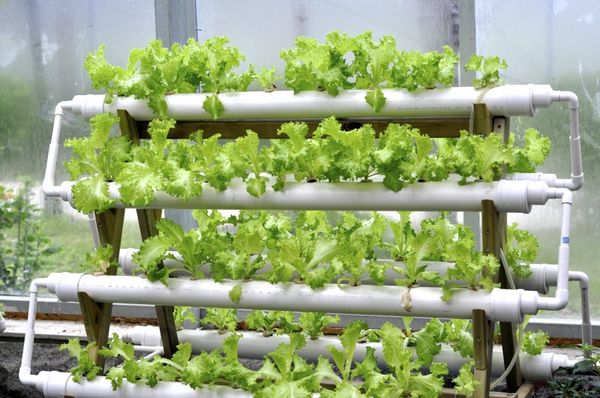
Gardeners usually use liquid solutions, which are more convenient to apply. This type of fertilizer dissolves in a specific volume of water and is then used as a nutrient liquid. Solid types of fertilizers for hydroponic systems are produced in the form of pellets (granules) and capsules.
Recommendations for Choosing Fertilizers:
- consider the specific needs of the crop;
- base your choice on the season and growth stage of the plant;
- consider the purpose of the fertilizer application;
- purchase products from reliable manufacturers.
For example, granular and powdered fertilizers are available for sale, protecting crops from various diseases and improving their vegetative qualities. Many liquid solutions added to hydroponic systems are specially designed to stimulate flowering.
Use ready-made complexes. Each growth stage of the crop requires certain substances—for example, during the vegetative stage, plants require nitrogen, and during fruit formation, phosphorus is especially needed. Many manufacturers offer fertilizers designed for year-round use, but they are only suitable for certain plants (e.g., leafy crops).
According to many specialists, it is more effective to use specialized fertilizers for different growth stages. Information on how to apply the fertilizer is provided on the packaging, along with the product's composition (nitrogen, potassium, phosphorus, magnesium, etc., in percentage ratios).
Purchase quality fertilizers from a specialized store. Properly selected fertilizers and prepared nutrient mixes will ensure a positive effect at all stages of plant growth. Consult specialists if needed—they will help make the right choice.
Editorial team agronom.info
Materials are prepared by the portal's agronomists and editors. We use only trusted sources: Ukrainian agricultural universities, variety registries, open scientific publications.
Related articles
Which peat is better for the garden: high-moor or lowland peat — secrets of a rich harvest and proper soil preparation
Nitroammophoska: the golden 16:16:16 formula — the perfect balance
Comments · 0