
Types of Effective Fertilizers and Their Benefits
Fertilizers are essential components for the agronomic sector. Thanks to their application, plant condition improves, they become stronger, which subsequently leads to a bountiful harvest.
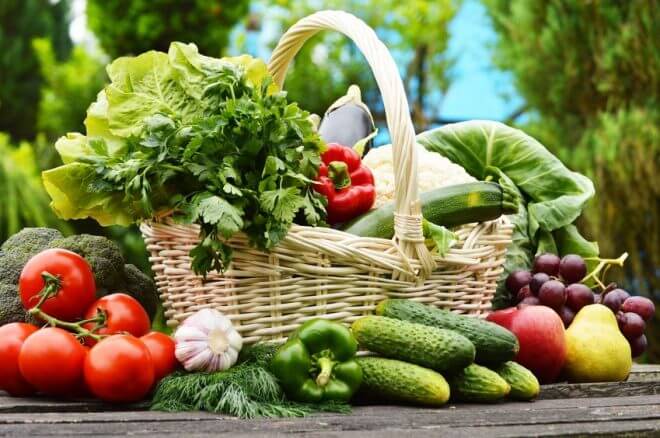
Fertilizers are essential components for the agronomic sector. Thanks to their application, plant condition improves, they become stronger, which subsequently leads to a bountiful harvest. Timely feeding with appropriately chosen fertilizers is the key to successful work by farmers. However, it is important to understand that an excess of beneficial substances is no less harmful to plants than their deficiency.
Today, you can find fertilizers available in various forms: liquid, water-soluble, and stick-shaped. They are widely available on the website https://semena.in.ua/. To simplify the selection process, we will examine each type in detail.
Features and Advantages of Liquid Fertilizers
The use of liquid mineral fertilizers has several advantages, which are determined by their characteristics. Among them, the main ones include:
- high concentration of active substances;
- lower requirement for maintaining a moist environment;
- good and rapid absorption of beneficial components by plants;
- possibility of even application;
- high ecological standards;
- universality (can be applied in three ways: into the soil, on its surface, or as foliar feeding).
Liquid mineral fertilizers enhance the efficiency of the agricultural cycle under challenging conditions. Their application allows for full provision of nutrients to plants, which increases their resistance to various adverse factors (water deficiency or excess, fungal and bacterial invasions, high or low temperature).
Water-Soluble Formulations for Feeding
They are used to feed plants through their root system during periods of insufficient supply of necessary nutrients. They help:
- strengthen the root system and above-ground parts of plants;
- increase their resistance to diseases;
- enhance the growth of flower buds;
- improve fruit quality;
- extend the flowering period of crops;
- ensure the supply of beneficial substances in the required amounts during different stages of plant development.
One advantage of such fertilizers is their good solubility in water. Therefore, they can be used in drip irrigation systems. In this case, they do not clog filters.
Water-soluble fertilizers have a separate classification, according to which they are universal or suitable for specific types of plants. They are also divided into simple and complex. Simple ones include nitric acid, magnesium sulfate, and calcium nitrate.
Complex water-soluble fertilizers contain several components in the necessary amounts, which are optimal for each particular plant. They enrich the soil, leading to a significant increase in crop yield. An additional benefit of using them is the purification of groundwater from nitrates.
Fertilizers in Stick Form
This type of fertilizer belongs to the universal category, containing a large amount of necessary nutrients.
Among their main advantages are:
- balanced composition;
- high efficiency;
- good absorption;
- economic usage;
- comprehensive effect, ensuring full plant growth and proper nutrition;
- practical form of release, ensuring ease of use (no need to prepare a solution);
- affordable cost.
Stick-shaped fertilizers are used for gentle soil disinfection and as a preventive measure against pathogenic fungi. At the same time, they provide comprehensive plant nutrition, improving their protective properties.
Editorial team agronom.info
Materials are prepared by the portal's agronomists and editors. We use only trusted sources: Ukrainian agricultural universities, variety registries, open scientific publications.
Related articles

Which peat is better for the garden: high-moor or lowland peat — secrets of a rich harvest and proper soil preparation
Nitroammophoska: the golden 16:16:16 formula — the perfect balance
Comments · 0