
Liquid Fertilizers – The Ideal Form of Plant Feeding
Today, the role of organic fertilizers is especially relevant, as arable lands are quickly depleting. How to use liquid fertilizers?
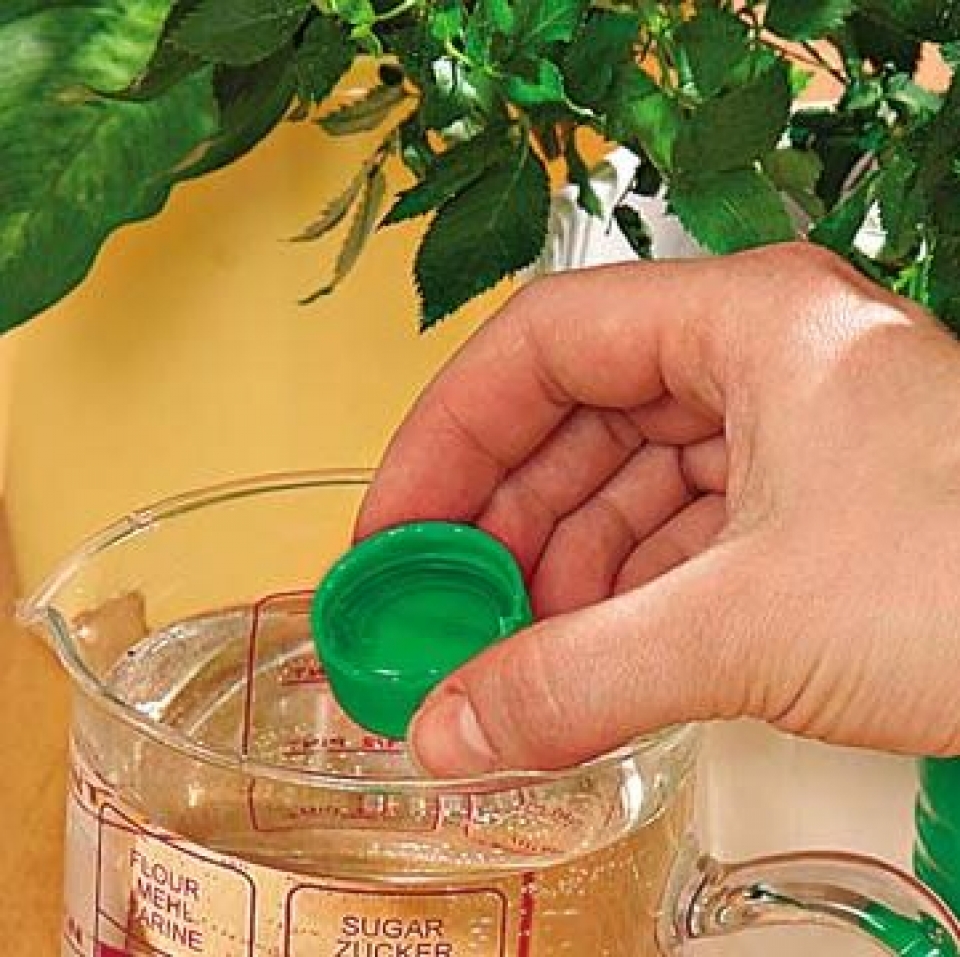
Any agronomist knows that garden and vegetable plants can deplete even the most fertile soil, extracting necessary substances for their own growth. In nature, the deficiency of microelements is naturally replenished through the decay of wild plants and animal humus. Humans took inspiration from nature and began using organic waste to enrich cultivated lands, allowing the soil to artificially replenish its losses. Today, the role of organic fertilizers is especially relevant, as arable lands are quickly depleting.
Modern technologies allow synthesizing organic matter, enriching it with specific active substances. This determines the purpose of fertilization, which includes:
- Pre-sowing. Concentrates added to liquids during seed soaking;
- Root. Added into the soil near plants during their development;
- For irrigation. Adding nutrients during watering;
- Hydroponic. Slow introduction of organic suspensions into soilless media.
Notably, liquid fertilizers are used to fertilize chernozems, which is necessary to maintain the “tone” of rich soils.
Organic liquid fertilizers — a universal tool suitable for plants in open ground and indoor planting. The natural composition can be enhanced with humic acid salts (a natural catalyst stimulating plant growth), sapropel extracts (organic mud with unique, disinfecting properties), ash (neutralizing excessive soil acidity), and other substances. If large sowing areas need to be treated, siderates (natural organic matter with high nitrogen content) are used.
Before applying any organic liquid, it is necessary to understand the soil composition and choose fertilizers recommended for sandy or clay soils. In soils with high sand content, fertilizers from a separate group are used, where the properties of organic elements are aimed at extracting minerals directly from sand.
Plants cannot reach nutrient components on their own, so they require assistance. Similarly, organic fertilizers work for clay soils and acidic-alkaline soils.
Editorial team agronom.info
Materials are prepared by the portal's agronomists and editors. We use only trusted sources: Ukrainian agricultural universities, variety registries, open scientific publications.
Related articles
Which peat is better for the garden: high-moor or lowland peat — secrets of a rich harvest and proper soil preparation
Nitroammophoska: the golden 16:16:16 formula — the perfect balance
Comments · 0