African iris
Dietes iridioides (L.) Sweet ex Klatt
Description
The African iris, botanically classified as Dietes iridioides, is a robust, rhizomatous perennial plant belonging to the Iridaceae family. It is characterized by its evergreen foliage and elegant, iris-like flowers that add a touch of sophisticated structure to any garden setting.
Originally native to the southern regions of Africa, this plant has adapted to a wide range of environments. Today, it is extensively cultivated as an ornamental plant in subtropical and warm temperate regions globally, valued for its ability to thrive where many other flowering perennials might struggle.
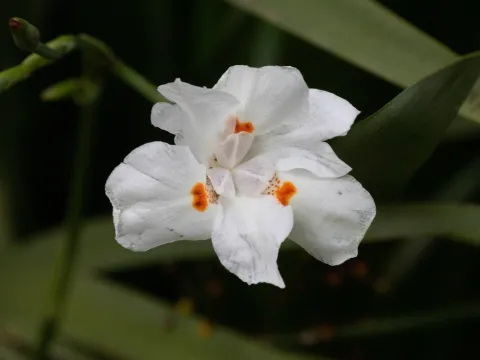
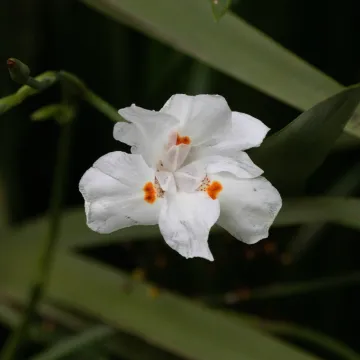
From a botanical standpoint, the African iris consists of stiff, sword-shaped leaves arranged in a fan-like cluster. The flowers are distinctive, featuring white petals marked with intricate yellow and violet markings. While individual blooms are ephemeral, the plant compensates by producing a steady succession of flowers throughout the growing season.
Cultivation requires minimal intervention, though it performs best in well-draining soil and full sun to partial shade. The plant is notably drought-tolerant once established, making it an excellent choice for water-wise landscaping. Regular division of the rhizomes is recommended every few years to maintain plant vigor and prevent overcrowding.
In terms of landscaping, the African iris is primarily used for borders, mass plantings, or as a focal point in low-maintenance gardens. Despite its resilience, farmers and gardeners should remain vigilant regarding certain issues:
- Root rot caused by poor soil drainage or excessive irrigation.
- Aphids and scale insects that may congregate on the foliage or stalks.
- Leaf spot diseases, especially in humid and poorly ventilated environments.
Photo gallery