Alloteropsis cimicina
Alloteropsis cimicina
Description
Alloteropsis cimicina is an annual grass species belonging to the Poaceae family. Within agricultural botany, it is recognized as a significant forage component of natural grasslands in tropical and subtropical regions. It serves as an essential source of biomass in environments where specialized cultivation is challenging.
The plant originates from the tropical belts of Asia and Africa. Its geographical range extends across countries such as India, China, and various parts of the African continent. It is highly adaptable, commonly found in disturbed habitats, fallow lands, and secondary grasslands, showcasing its role as a resilient pioneer species in agricultural landscapes.
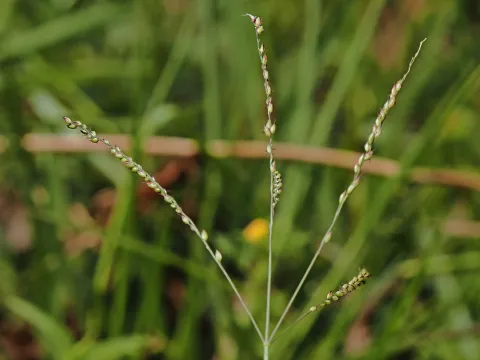
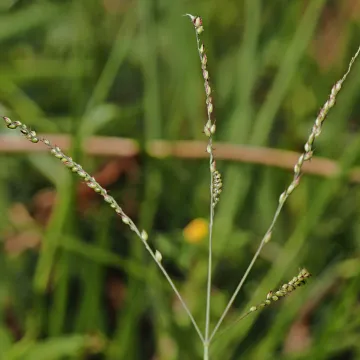
Botanically, Alloteropsis cimicina is characterized by culms that typically reach heights between 30 and 70 centimeters. The leaves are generally lanceolate and often pubescent, providing an adaptation to high-light environments. The inflorescence consists of racemes arranged in a panicle-like structure, optimized for wind-driven pollination, which ensures successful propagation.
Regarding cultivation requirements, the species is known for its extreme hardiness. It thrives in various soil types, even those with low fertility or minor salinity. It demands substantial solar exposure and is well-adapted to the moisture cycles found in monsoon climates, demonstrating strong drought tolerance during the vegetative growth phase.
The primary economic utility of this plant is as forage for livestock. It is frequently grazed on communal lands, providing essential nutrients when other, more sensitive grasses decline. While not a commercial crop in the traditional sense, its ability to produce consistent biomass without expensive inputs makes it a vital resource for smallholder livestock systems in its native range.
- Excellent tolerance to direct sunlight and high temperatures.
- Low requirement for soil nutrition and fertilization.
- Rapid growth cycle suited for monsoon rain patterns.
- High resilience against common regional pasture pests.
Photo gallery