Alumroot
Heuchera micrantha Douglas ex Lindl.
Description
Alumroot (Heuchera micrantha) is a perennial herbaceous plant belonging to the Saxifragaceae family. In professional horticulture and agriculture, this species is highly valued for its striking foliage, versatility in landscaping, and relative ease of maintenance in diverse climatic zones.
Native to North America, the plant naturally occurs in forest understories and rocky slopes. Because of this, it is well-adapted to cooler, temperate regions. Commercial cultivation has expanded its range, making it a staple ornamental crop in regions where shade-tolerant ground covers are required for aesthetic and ecological purposes.
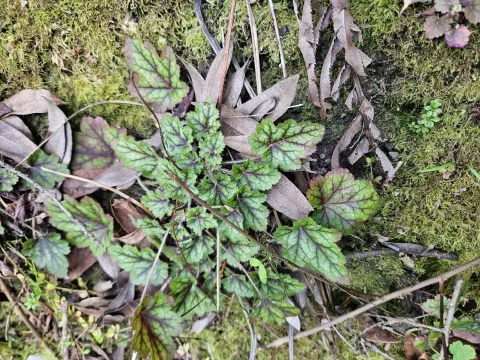
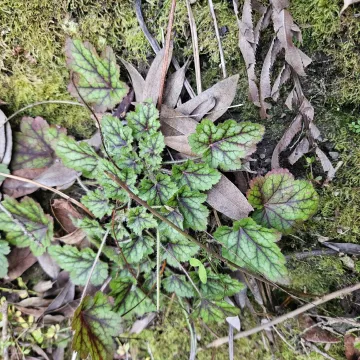
Botanically, Heuchera micrantha is characterized by a basal rosette of heart-shaped or lobed leaves. The inflorescences consist of small, numerous bell-shaped flowers carried on slender, elongated panicles. The plant's root system is relatively shallow, which dictates specific moisture management requirements during the growing season.
For successful cultivation, the plant requires well-draining, humus-rich soil with a neutral to slightly acidic pH. The species thrives in partial shade; excessive direct sunlight may cause foliage scorch. Key agronomic practices include:
- Regular watering to maintain consistent soil moisture
- Annual application of organic mulch around the crown
- Moderate fertilization during the early spring
- Division of older clumps every 3–4 years
Common health issues involve fungal pathogens such as powdery mildew and Botrytis blight, particularly in areas with poor air circulation. Insect threats include root weevils, which feed on the crown and rootstock, and various leaf-feeding slugs. Effective management relies on proper site selection and early detection of symptoms to prevent widespread infestation.
Photo gallery