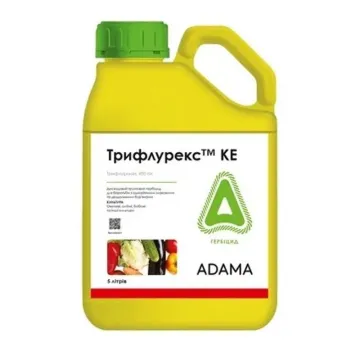
Treflan 480
Доу АгроСайенсіс С.А.С., Друзенхайм, Франція
Herbicides, Desiccants
3
2
·
4.1K
6 offers
0.6 €за 1 л
Купить

Anise (Pimpinella anisum L.) is an annual herbaceous plant belonging to the Apiaceae family. It is a significant agricultural crop valued for its aromatic seeds, which are widely used as a spice in culinary applications and as a source of high-quality essential oil containing anethole.
Originally native to the Eastern Mediterranean and Southwest Asia, anise is now cultivated globally in various temperate regions. The plant thrives in climates with long, warm summers and sufficient sunlight, as these conditions are essential for the proper development of its fruit and the concentration of its characteristic aromatic compounds.
Botanically, anise is characterized by a slender, branched stem that typically grows to a height of 30–60 cm. Its leaves vary in shape depending on their position along the stem. The plant produces small, white flowers arranged in compound umbels. The fruit is a small, grayish-brown schizocarp, which contains the seeds used for commercial and medicinal purposes.
Successful anise production requires fertile, well-drained loamy soils and a sunny location. Agriculture practices involve early spring sowing in soil that has warmed sufficiently. Farmers must prioritize weed management, as anise is highly susceptible to competition during the early stages of its growth. Proper crop rotation is also recommended to prevent soil exhaustion and the buildup of pests.
The economic importance of anise extends across multiple sectors, including the food industry, liquor production, and pharmaceuticals, where it is utilized for its carminative and expectorant properties. Common challenges include diseases such as powdery mildew and cercospora blight, alongside pests like aphids and seed-feeding insects, requiring strict monitoring and effective agricultural management.