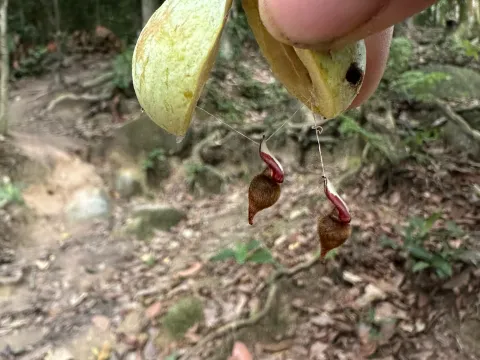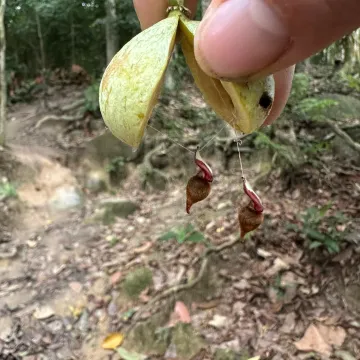
Aquilaria malaccensis
Aquilaria malaccensis
Description
Aquilaria malaccensis is a tropical evergreen tree belonging to the Thymelaeaceae family. It is globally recognized as the primary source of agarwood (also known as oud or eaglewood), a highly valued resinous heartwood produced within the tree as a defensive response to infection by specific types of molds.
The native habitat of this species is spread across the tropical rainforests of Southeast Asia, ranging from India and Bangladesh to Malaysia and Indonesia. Because of its massive economic importance, the tree is now widely grown in commercial plantations across suitable tropical climates where rainfall is abundant and year-round temperatures are consistently high.
Botanically, Aquilaria malaccensis can reach heights of up to 30 meters. It features a slender trunk, smooth bark, and lanceolate, leathery leaves. While the tree grows slowly in the wild, cultivation programs focus on accelerated development through optimized soil nutrient management and consistent canopy regulation to ensure healthy biomass accumulation.
For successful cultivation, the species requires deep, fertile, and well-drained soils with a slightly acidic pH. Agricultural management involves establishing shade cover during the early years of the tree’s life and implementing artificial inoculation techniques to induce resin production once the tree has reached a sufficient diameter, typically after 5 to 7 years.
The primary economic use of this crop is the extraction of high-grade agarwood oil and the sale of resin-infused wood chips. These products are crucial to the global luxury perfume industry and religious ceremonial practices. Furthermore, the tree’s extracts are valued in traditional medicines for their potential analgesic and digestive therapeutic properties.
Plantations must be monitored for several common agronomic risks:
- Root rot disease triggered by poor drainage or waterlogging.
- Infestations by leaf-mining insects that can stunt growth in young saplings.
- Failure of the inoculation process, which may occur if incorrect fungal strains are used or if tree health is insufficient.
Photo gallery