
Cape weed
Arctotheca calendula (L.) Levyns
Description
Cape weed (Arctotheca calendula) is a prostrate annual herb belonging to the Asteraceae family. While it is sometimes cultivated for its ornamental properties in specific climates, it is predominantly recognized in agriculture as a persistent and invasive weed that can significantly reduce crop yields and pasture quality.
Native to South Africa, the plant has established a global footprint, particularly in Australia and the Mediterranean regions. It thrives in diverse environments, often invading pastures, orchards, and vineyards. Its ability to outcompete native or planted species for nitrogen and water makes it a challenging subject for land managers.
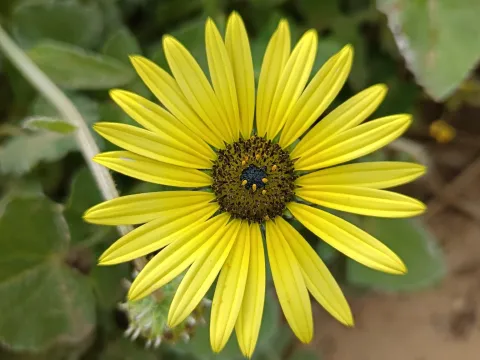
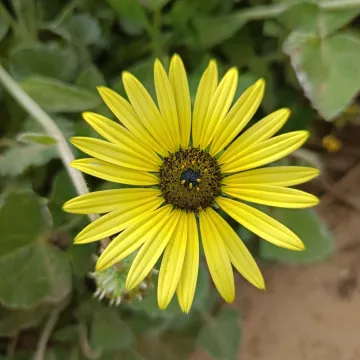
The plant is characterized by its rosettes of deeply lobed leaves, which are densely covered with white woolly hairs. Its bright yellow daisy-like flowers are a distinguishing feature. Arctotheca calendula is a prolific seed producer, and its seeds can persist in the soil seed bank for several years, ensuring the plant's recurrence after initial eradication efforts.
Regarding cultivation requirements, Cape weed prefers well-drained, sandy soils, though it is highly adaptable to various soil types. It is particularly successful in areas with mild winters and dry summers. Agricultural management strategies usually involve a combination of chemical control (herbicides) and mechanical practices, such as cultivation before the onset of flowering to prevent seed dispersal.
In addition to competitive suppression of crops, Cape weed can cause health issues in livestock if ingested in large quantities due to nitrate accumulation. Pest issues are typically manageable, but the plant remains susceptible to various fungal pathogens that thrive in high-humidity conditions, which can be observed during intensive irrigation periods.
Photo gallery