Unalaska arnica
Arnica unalaschcensis
Description
Unalaska arnica (Arnica unalaschcensis) is a perennial herbaceous plant belonging to the Asteraceae family. Known for its medicinal properties, this species is increasingly recognized in niche agriculture as a source of biologically active compounds used in the production of anti-inflammatory and antiseptic remedies.
The species originates from the northern coastal and mountainous regions of the Pacific, including the Aleutian Islands and the Russian Far East. Its natural habitat is characterized by cool temperatures, moist soil conditions, and intense light during the short growing season, which defines its environmental preferences when brought into cultivation.
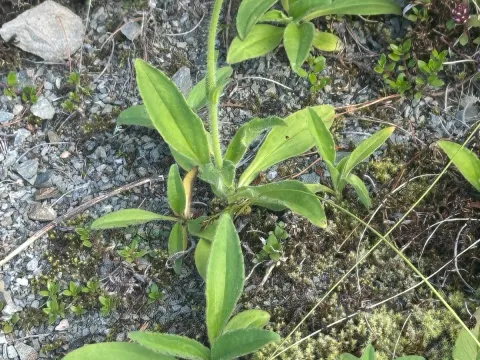
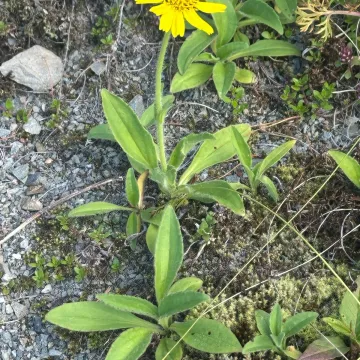
Botanically, it is distinguished by a basal rosette of leaves and a single terminal flower head with bright yellow ray florets. The root system is perennial and rhizomatous, allowing the plant to thrive in cold climates. Its growth rate is generally slow compared to lowland species, reflecting its adaptation to high-latitude environments.
Cultivation requires well-drained, acidic to neutral soil rich in organic matter. Growers should ensure that the planting site provides adequate drainage to prevent root rot. It is recommended to propagate the plant from seeds, which require a cold stratification period for optimal germination, or via rhizome division during the dormant season.
The primary agricultural challenges include preventing fungal infections such as powdery mildew or rust, which can proliferate in high-humidity conditions. Common pests such as aphids and leaf miners may affect the foliage, necessitating integrated pest management strategies. Harvesting of the flowers should be timed during the early stages of blooming to maximize the concentration of active pharmaceutical constituents.
Photo gallery