Arthrostemma fragile
Arthrostemma fragile
Description
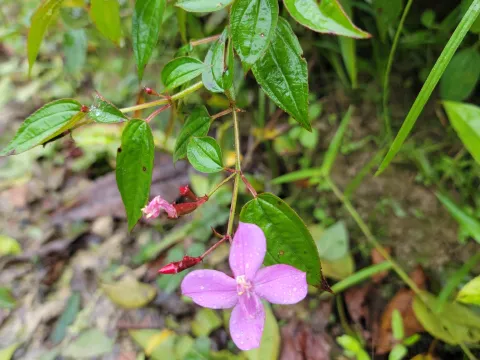
Arthrostemma fragile is a perennial herbaceous plant belonging to the Melastomataceae family. While not a conventional staple crop, it serves as a significant specimen in botanical collections and specialized greenhouse horticulture due to its unique physiological characteristics and aesthetic value.
The plant originates from the tropical rainforests of Central and South America. Its natural habitat is characterized by high atmospheric humidity, consistent temperatures, and low-light conditions under the forest canopy. These environmental conditions are essential to mimic when cultivating the species in non-tropical climates.
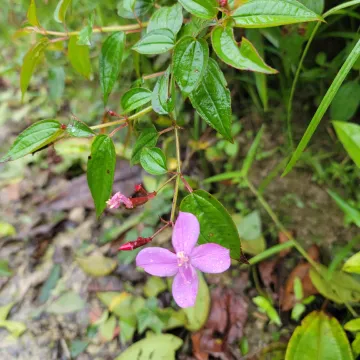
Botanically, the species is defined by its characteristic fragile, succulent-like stems and opposite leaves featuring the distinct longitudinal venation typical of the Melastomataceae family. The flowers are generally showy, attracting pollinators in their native range. The root system is relatively shallow and thrives in substrates rich in organic matter.
Agricultural and horticultural requirements for Arthrostemma fragile include a well-draining, acidic growing medium. The plant is intolerant of direct harsh sunlight and requires a stable, high-humidity environment. Proper management of greenhouse or conservatory conditions, including air circulation and temperature control, is vital for long-term survival.
Disease management is a key aspect of cultivating this plant. It is primarily prone to fungal root rot caused by improper irrigation practices and waterlogging. Pests such as spider mites and mealybugs can also pose a threat under dry indoor conditions. Prevention through proper climate control and early detection remains the most effective strategy for plant health.
Photo gallery