Asarabacca
Asarum europaeum L.
Description
Asarabacca (Asarum europaeum L.) is a perennial herbaceous plant belonging to the Aristolochiaceae family. In agriculture and horticulture, this crop is valued as an excellent evergreen ground cover, capable of thriving in deep shade where light-demanding plants fail to establish themselves.
The native range of the species covers most of Europe and temperate regions of Western Siberia. As a cultivated plant, it is found in nurseries specializing in forest-floor flora and medicinal herbs. It is particularly valued for its ability to stabilize soil in shaded environments and provide a dense vegetative layer throughout the year.
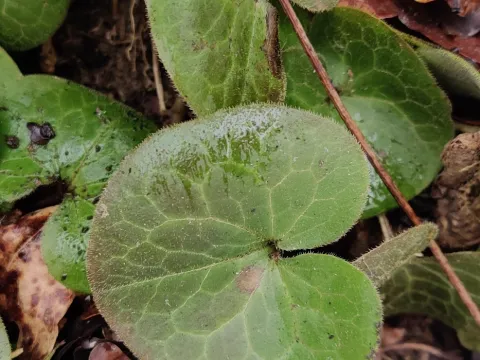
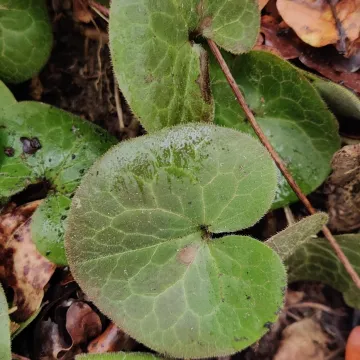
Botanically, it is characterized by its creeping, rhizomatous growth habit and unique kidney-shaped, leathery leaves. The leaf structure is highly adapted to low-light environments, allowing for efficient photosynthesis under a tree canopy. The flowers are small, bell-shaped, and usually hidden beneath the foliage, often appearing in early spring.
Agronomic requirements are centered on soil quality and moisture management. The crop performs best in fertile, humus-rich, and slightly moist soil with a neutral to acidic pH. Adequate mulching is essential to simulate forest floor conditions and protect the shallow root system from extreme heat or desiccation during dry spells.
While the plant is generally resistant to most pests, cultivators should monitor for fungal pathogens that arise in stagnant, overly damp conditions. Historically and medicinally, the plant has been used in pharmacognosy for its expectorant properties, though caution is advised due to the presence of specific chemical compounds like aristolochic acid. As a crop, it remains a stable, low-maintenance choice for shaded agricultural and garden settings.
Photo gallery