
Ascolepis protea
Ascolepis protea
Description
Ascolepis protea is a perennial herbaceous plant belonging to the Cyperaceae (sedge) family. Known for its unique morphology, this plant is an integral part of the biological diversity within its native habitats, specifically showcasing the specialized characteristics of the sedge lineage.
The plant originates from the tropical and southern regions of Africa. Its natural distribution is closely tied to moisture-rich environments, such as seasonal wetlands, marshy grasslands, and the peripheries of freshwater bodies. It is not cultivated as a conventional agricultural crop but thrives in natural wild landscapes.
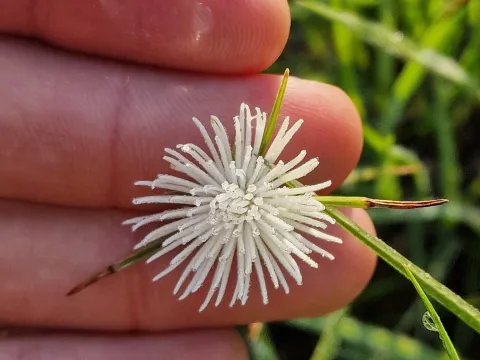
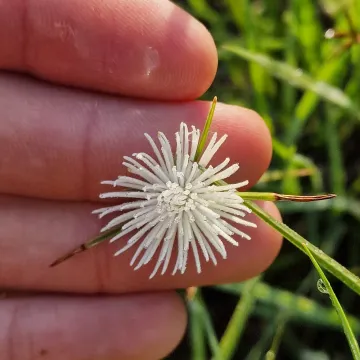
Botanically, it is characterized by linear leaves and distinct capitate (head-like) inflorescences that give the plant its specific appearance. The root system is typically adapted for stabilization in wet, sometimes acidic soils, allowing the plant to persist in areas where other species might struggle with excessive water levels.
Regarding climatic and soil requirements, Ascolepis protea prefers tropical climates with high precipitation levels. It demands significant sunlight to thrive and requires soil that remains consistently moist. It is not drought-tolerant, meaning its life cycle is strictly regulated by the availability of water in its natural ecological niche.
The agricultural and economic utility of this plant is generally limited to its value in natural grazing lands. While it provides biomass for livestock in its native regions, it is not subject to formal agrotechnical management. Potential threats include various soil-borne fungal pathogens and insects that feed on members of the Cyperaceae family, though specific research on its pest resistance remains limited.
Photo gallery