Silver spear
Astelia chathamica
Description
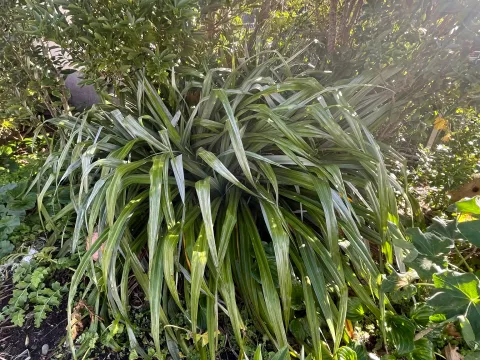
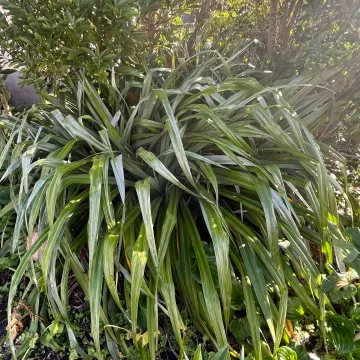
Silver spear (Astelia chathamica) is a distinctive perennial herb belonging to the Asteliaceae family. It is widely recognized for its stunning, arching, sword-like leaves that possess a silvery-grey metallic sheen, providing a unique architectural element in garden design. This evergreen plant has gained popularity among ornamental plant enthusiasts for its structural beauty and durability.
The species originates from the Chatham Islands off the coast of New Zealand. Naturally, it thrives in cool, humid coastal environments, often found in peat-based soils or among rocks where drainage is naturally sufficient. Its evolution in such specific maritime conditions has made it well-adapted to coastal gardens, provided that temperatures remain within a temperate range.
Botanically, Astelia chathamica forms a dense rosette that grows from a short rhizome. The foliage is covered in tiny, silky scales that reflect light, creating the characteristic silver appearance that gives it the common name "Silver spear." In its mature state, the plant can produce inflorescences with small, pale flowers, which are sometimes followed by decorative, bright-colored berries, enhancing its visual interest.
Successful cultivation requires attention to soil composition and drainage. The plant prefers rich, slightly acidic to neutral soil that holds moisture but does not remain waterlogged. In a garden setting, it performs best in partial shade, especially in warmer climates where intense sun might scorch the leaves. Proper spacing is essential to allow air circulation, preventing moisture accumulation in the center of the rosette.
The primary use of this plant is ornamental, serving as a focal point in landscaping. It is highly effective in tropical-style borders, rock gardens, and contemporary container arrangements. Because of its hardy nature and attractive year-round foliage, it is frequently used by landscape architects to add texture and a sophisticated color palette to garden designs throughout the year.
- Ensure well-draining soil to prevent root rot.
- Provide partial shade, especially during the hottest parts of the day.
- Apply balanced, slow-release fertilizer during the growing season.
- Monitor for pests in dry indoor or sheltered conditions.
In terms of plant health, Astelia chathamica is generally robust but can suffer from crown rot if grown in heavy, saturated soil. Common pests include mealybugs and spider mites, which tend to congregate in the base of the leaves. Maintaining a clean environment around the plant and avoiding overhead irrigation can significantly reduce the risk of both fungal issues and pest infestations.
Photo gallery