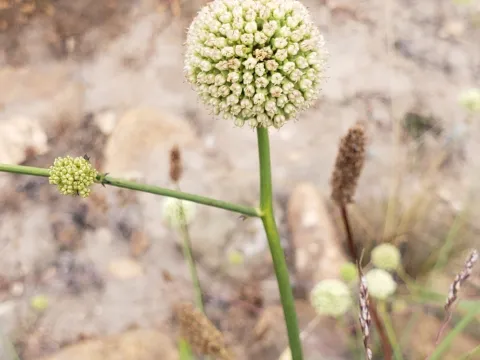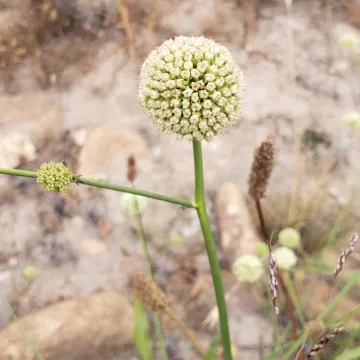
Asteriscium chilense
Asteriscium chilense
Description
Asteriscium chilense is a notable perennial herb belonging to the Apiaceae family. It serves as an interesting botanical subject due to its specific ecological niche and unique physiological adaptations that allow it to thrive in its native habitats across South America, primarily within the borders of Chile.
The origin of this plant is strictly associated with the diverse climatic zones of Chile. It is naturally distributed in regions where the climate varies from arid to Mediterranean-like, characterized by wet winters and dry, warm summers. This geographical background has shaped the plant’s resilience and its ability to withstand environmental stress factors.
Botanically, Asteriscium chilense exhibits features such as a deep taproot and a basal rosette of leaves. The plant develops characteristic umbel-shaped inflorescences during the blooming season. The leaf structure is highly specialized to minimize water loss through transpiration, and the plant maintains a compact growth habit, which is efficient for resource conservation.
For successful cultivation, the plant requires well-drained, sandy or loamy soils with neutral to slightly alkaline pH levels. Irrigation management is critical, as the species is highly susceptible to root rot if water accumulates in the soil. Optimal agricultural practice involves selecting sunny locations with adequate air circulation to promote vigorous growth and prevent disease outbreaks.
The хозяйственное usage of the plant includes traditional medical applications and ongoing research into its phytochemical profile. Typical pests that affect this crop include aphids and other sucking insects, while fungal pathogens like powdery mildew represent the primary phytosanitary risk. Regular monitoring and integrated pest management are recommended to maintain healthy crop yields.
- Family: Apiaceae
- Plant type: Perennial herb
- Climate preference: Mediterranean/Arid
- Soil requirement: Well-drained
- Primary uses: Ethnobotany, research
Photo gallery