
Narrow-leaved milkvetch
Astragalus angustifolius
Description
Narrow-leaved milkvetch (Latin: Astragalus angustifolius) is a perennial herbaceous plant belonging to the Fabaceae family. It is recognized for its significant ecological role and potential agricultural utility, particularly in marginal land restoration and forage production within arid mountain environments.
The species originates from the mountainous regions of Southern Europe and the Balkan Peninsula. It is highly adapted to harsh environments characterized by shallow, stony, or rocky soils. Its distribution area reflects its hardiness, as it thrives in zones with high UV exposure and significant temperature fluctuations, typical of alpine and sub-alpine regions.
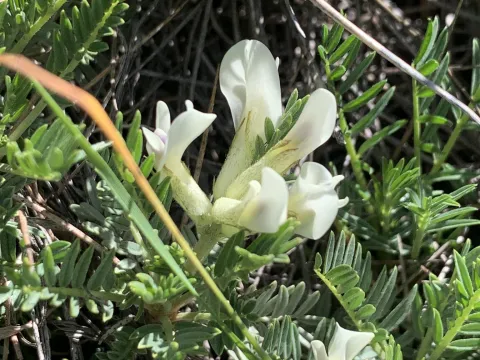
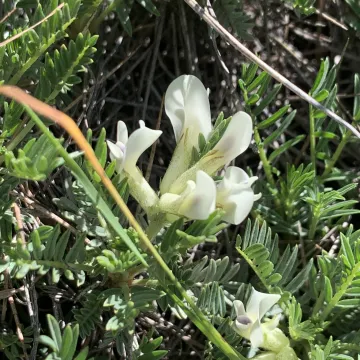
Botanically, the plant presents as a dense, mound-forming shrublet with woody stems. Its leaves are pinnate with narrow, pubescent leaflets that are modified for drought tolerance. The flowers are typically yellow or cream-colored, arranged in clusters, and contribute to its characteristic appearance as a low-growing, resilient ground cover.
Agricultural requirements focus on well-draining, calcareous soils with a neutral to alkaline pH. The crop demands full sunlight and is intolerant to waterlogged or heavy clay conditions, which can lead to root rot. Successful cultivation requires patience, as the initial establishment phase is slow; therefore, controlling competing weeds during the first year is crucial.
The economic value of this crop includes soil stabilization on steep slopes and use in forage systems for small ruminants. Furthermore, parts of the plant are utilized in herbal medicine for their purported antioxidant and adaptogenic properties. The species also serves as a source of nectar for pollinators in mountain ecosystems.
Common phytosanitary issues involve susceptibility to root pathogens if soil moisture remains excessive. Pests such as aphids and specialized seed-feeding weevils can affect productivity. Integrated pest management, focusing on maintaining optimal soil drainage and crop rotation, is the primary strategy for ensuring a healthy crop yield.
Photo gallery