Astragalus bergii
Astragalus bergii
Description
Astragalus bergii is a perennial herbaceous plant belonging to the Fabaceae family. It is recognized for its significant adaptability to arid environments and its role as a robust leguminous crop capable of thriving in challenging ecological conditions where other forage species may struggle.
The origin of the species is linked to the steppe and semi-desert regions of Central Asia. Its natural habitat includes rocky slopes and sandy soils, which has resulted in the evolution of deep root systems designed to maximize water uptake. This geographical background makes it an ideal candidate for soil stabilization and environmental restoration projects.
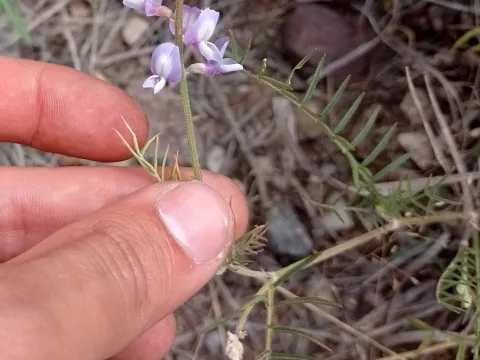
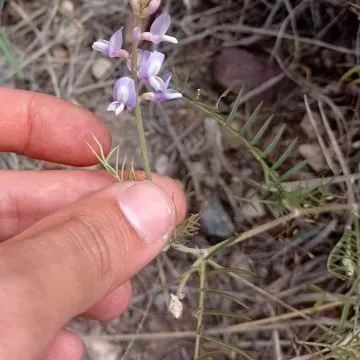
Botanically, the plant features pinnately compound leaves and racemes of flowers, which are characteristic of the genus. Its growth habit is typically erect or ascending. The biological cycle is highly influenced by local photoperiod and moisture availability, allowing it to remain dormant during peak drought periods and resume growth rapidly when conditions improve.
In terms of agricultural management, the crop requires well-drained, porous soils. It is particularly sensitive to waterlogging, which necessitates careful site selection and the implementation of proper field drainage. Minimal soil cultivation is usually sufficient, as the plant is adapted to marginal soils, although periodic nutrient supplementation may enhance overall biomass production.
The primary agricultural applications of Astragalus bergii include its use as a high-quality forage crop, providing essential proteins for livestock, and as a soil-improving agent due to its nitrogen-fixing capabilities. Potential threats to the crop include various fungal pathogens such as root rot and powdery mildew, which can be mitigated through rigorous crop rotation practices and the application of specialized fungicides when monitoring indicates economic threshold levels have been reached.
Photo gallery