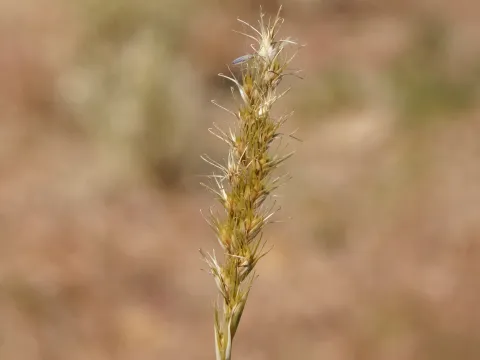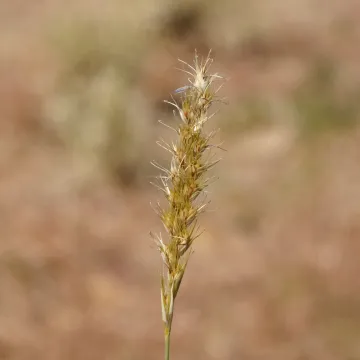
Bull Mitchell grass
Astrebla squarrosa
Description
Bull Mitchell grass (Astrebla squarrosa) is a perennial grass species belonging to the Poaceae family. In agricultural terms, it is recognized as a vital fodder resource within arid and semi-arid regions. The plant is characterized by its ability to form robust clumps, allowing it to survive in harsh environmental conditions where many other species would fail to thrive.
The native range of this species is confined to Australia, where it serves as a dominant component of the vast grasslands and savannas. Its ecological significance is high, as it maintains ground cover in arid zones and prevents soil degradation. Historically, this grass has been the backbone of the pastoral industry in inland Australian regions characterized by unpredictable rainfall patterns.
Botanically, it is a tufted grass that typically grows between 60 and 100 cm in height. Its stems are notably rigid, which is a signature feature of the species. The leaves are narrow and often coated with a fine glaucous layer, which helps in reducing water loss through transpiration. A deep and extensive root system allows the plant to tap into soil moisture far beneath the surface.
Regarding cultivation requirements, the grass favors heavy, cracking clay soils. Agricultural management of this crop focuses primarily on sustainable grazing practices rather than intensive cultivation. It is highly resilient to grazing pressure, but overgrazing during drought periods can lead to long-term decline, requiring careful pasture rotation to maintain productive stands.
- Significant nutritional value during the growing season.
- High tolerance for extreme heat and prolonged droughts.
- Excellent soil stabilization properties in dry regions.
- Low maintenance requirements for extensive pastoral systems.
The main agricultural use of Bull Mitchell grass is for grazing sheep and cattle. While the nutritional quality declines as the plant matures or enters dormancy, it remains a reliable source of bulk forage. The species is relatively free from major pests and diseases, demonstrating strong natural resistance that aligns with its adaptation to the rugged Australian outback environment.
Photo gallery