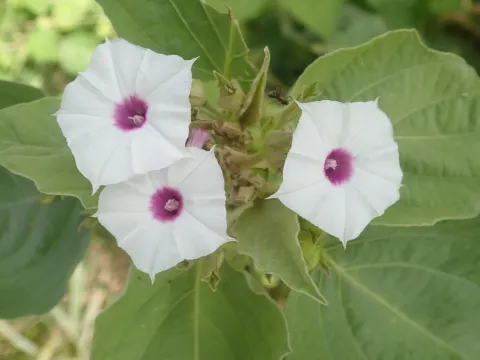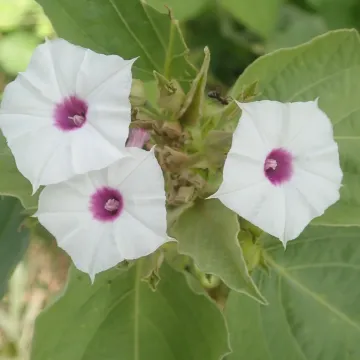

Astripomoea lachnosperma
Astripomoea lachnosperma
Description
Astripomoea lachnosperma is a perennial herbaceous plant belonging to the Convolvulaceae (Morning Glory) family. This species is specifically noted for its distinctively hairy seeds, a morphological adaptation that assists in its survival and dispersal within challenging arid environments.
The native habitat of Astripomoea lachnosperma is primarily found in the tropical regions of Africa. It thrives in savannah landscapes, exhibiting remarkable resilience to extreme heat and prolonged drought periods. The plant acts as a key component in the local ecosystem, providing ground cover in harsh conditions.
Botanically, it presents as a subshrub with pubescent leaves and stems that help reduce water loss through transpiration. The root system is deep and extensive, enabling the plant to access moisture in deep soil layers where other plants would wither. The flowers typically display the funnel shape common to the Convolvulaceae family.
Cultivation of this species requires well-drained, sandy or gravelly soil profiles with low organic content. It is a heliophilic plant, requiring full sun exposure to maintain vigorous growth. Agrotechnical practices must prioritize avoiding waterlogging, as the species is highly susceptible to root rot if soil moisture levels are consistently too high.
- Sowing seeds in well-warmed, porous soil during the onset of the growing season.
- Implementation of light surface cultivation to prevent weed competition.
- Minimal fertilizer application, focusing on basic nutrient maintenance.
- Preventative monitoring for common pests like aphids or spider mites.
In terms of agricultural utility, Astripomoea lachnosperma is researched for its role in sustainable land management and soil conservation. Due to its drought tolerance, it serves as a promising candidate for rehabilitation programs on marginal or degraded lands, where it helps prevent topsoil erosion and contributes to the restoration of semi-arid ecosystems.
Photo gallery