Astronium fraxinifolium
Astronium fraxinifolium Schott
Description
Astronium fraxinifolium is a prominent tree species belonging to the Anacardiaceae family. Renowned globally in the timber trade, this species produces one of the most durable and aesthetically striking woods in the tropical rainforests of South America. It is a large, canopy-forming tree that serves as a vital component of the local forest ecosystems.
Native to Brazil, Bolivia, and Paraguay, the species thrives in humid tropical climates. It is primarily found in seasonal forests where it can take advantage of deep, nutrient-rich soils. While it has been cultivated for commercial purposes, its propagation is largely restricted to regions that mimic its natural tropical environment, as it cannot tolerate frost or temperate seasonal changes.
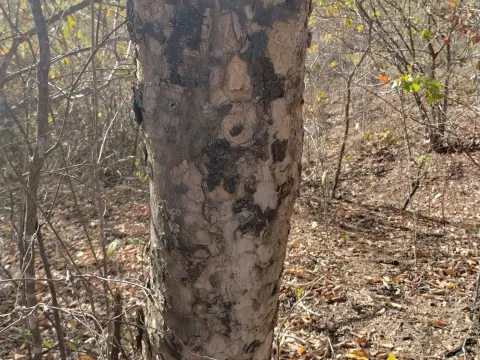
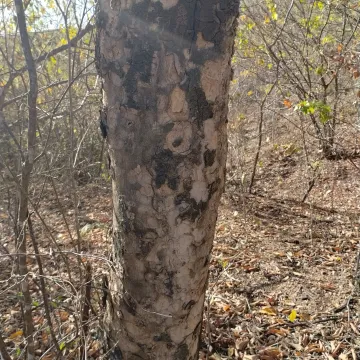
Botanically, Astronium fraxinifolium is characterized by its pinnate leaves and a robust, straight trunk. The bark is typically thin and flakes off in patches as the tree matures. The wood is the primary focus of interest, known for its extreme hardness, high density, and distinct variegated pattern, which often features deep reddish-brown tones contrasted by dark streaks.
Cultivation requirements involve ensuring consistent moisture levels and well-draining, fertile soil. In managed plantations, the species requires thinning and careful spacing to ensure the canopy receives adequate light. As with many tropical species, protection against initial competition from invasive weeds is crucial during the early stages of growth to ensure the tree reaches its potential height.
The economic value of this tree is centered on its timber, frequently traded under the names "Tigerwood" or "Gonçalo Alves." Due to its superior structural properties, it is highly prized for luxury flooring, high-end furniture, and intricate woodwork. Furthermore, the heartwood is naturally resistant to decay and fungal infections, making it a sustainable and long-lasting choice for fine carpentry.
- Extreme wood hardness and stability.
- Natural resistance to fungal rot and insects.
- High aesthetic appeal for furniture design.
- Strict requirement for tropical climatic conditions.
Photo gallery