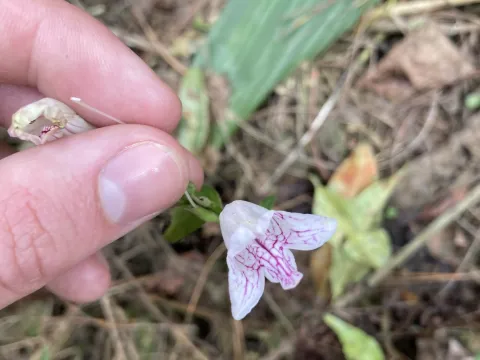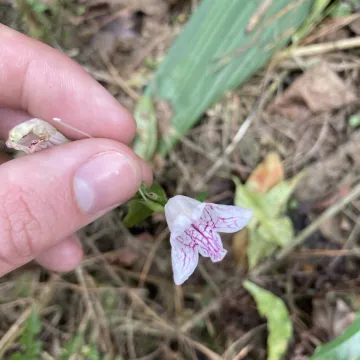
Asystasia macrocarpa
Asystasia macrocarpa
Description
Asystasia macrocarpa is a perennial herbaceous plant belonging to the Acanthaceae family. Recognized for its unique morphological features, this species is increasingly valued in ornamental horticulture and botanical collections for its distinctive growth habit and elegant flowering display in shaded garden environments.
The native range of this species is primarily concentrated in the tropical and subtropical regions of Africa. Thriving in the understory of dense forests, the plant has evolved to prefer environments characterized by high humidity, filtered sunlight, and rich, well-draining soils, which are essential factors to consider when introducing it to new cultivation zones.
Botanically, the plant is defined by its opposite, simple leaves and tubular flowers arranged in terminal racemes. The species is aptly named for its relatively large fruit capsules. Once mature, these capsules exhibit a dehiscence mechanism that allows them to disperse seeds efficiently, contributing to the plant's natural propagation strategy in its native habitat.
Successful cultivation of this crop depends heavily on environmental stability. It performs best in partial shade, as intense sunlight can cause leaf chlorosis and dehydration. The soil should be kept consistently moist but never waterlogged; therefore, ensuring adequate drainage is critical. In container gardening, a peat-based potting mix is typically recommended to provide necessary aeration for the root system.
Key agrotechnical practices and management strategies include:
- Regular moisture monitoring to prevent drought stress during the growing season.
- Application of a balanced liquid fertilizer during the peak blooming phase to encourage vigor.
- Strict hygiene measures to prevent fungal infections, such as powdery mildew, often exacerbated by poor air circulation.
- Frequent inspection for common pests, particularly aphids and spider mites, which can be managed with biological control or targeted horticultural soaps.
Photo gallery