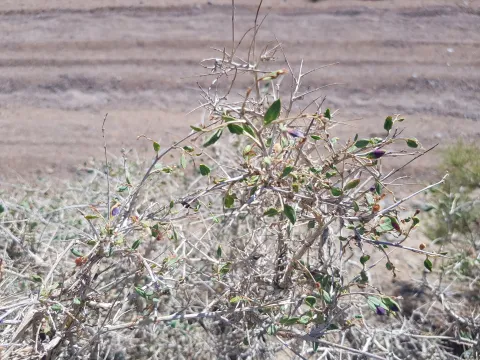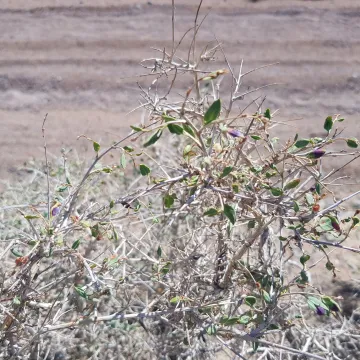
Atraphaxis spinosa
Atraphaxis spinosa
Description
Atraphaxis spinosa is a perennial, densely branched shrub belonging to the Polygonaceae family. Recognized for its exceptional resilience, this plant is categorized as a xerophyte, capable of thriving in harsh environments where moisture is scarce and soil quality is poor.
Its natural range extends across the arid regions of Southeast Europe, the Caucasus, and Central Asia. The shrub is typically found on rocky slopes, limestone outcrops, and dry steppes. Due to its evolutionary adaptations, it serves as a robust candidate for ecological restoration in regions facing desertification.
Botanically, the plant is characterized by its spinescent branch tips, which protect the foliage from grazing pressure. Its leaves are small and glaucescent, minimizing water loss through transpiration. The floral display consists of small, pinkish or white flowers arranged in racemes, providing aesthetic value as well as biological function.
Cultivation of Atraphaxis spinosa requires minimal intervention, making it a low-maintenance crop. It thrives in well-drained, sunny environments and does not tolerate waterlogging. Agricultural management focuses primarily on establishing young plants, after which they become largely self-sufficient in harsh, dry climates.
The agricultural and economic utility of the species lies in its role as a honey plant and its use in soil stabilization. As a source of late-season nectar, it supports apiculture in areas where other flowers fail due to heat. Furthermore, its root system is highly effective in binding sandy soils and preventing topsoil erosion.
- Excellent drought and heat tolerance.
- High adaptability to poor, rocky, and saline soils.
- Valuable forage source for honey bees during summer.
- Primary use in erosion control and land reclamation.
Photo gallery