Marsh saltbush
Atriplex paludosa
Description
Marsh saltbush (Atriplex paludosa) is a perennial shrub belonging to the Amaranthaceae family. It is a highly specialized halophyte that has evolved to thrive in environments where salt concentration would inhibit the growth of most conventional agricultural species.
The species is primarily native to the coastal regions of Australia. In its natural habitat, it occupies saline marshes and estuarine zones, playing a crucial role in maintaining soil structure and supporting coastal biodiversity through its deep root systems.
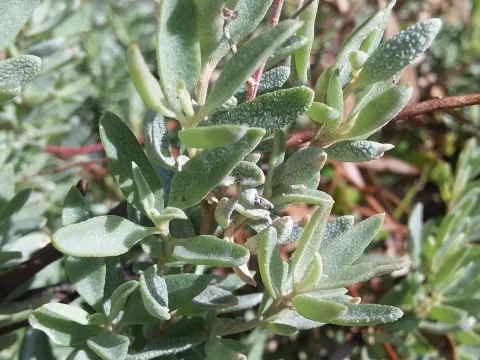
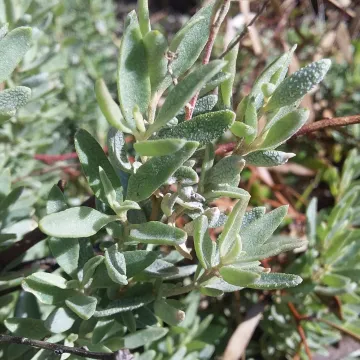
Botanically, it is characterized by dense foliage with fleshy, succulent leaves covered in bladder cells. These cells allow the plant to store excess salt, preventing it from reaching toxic levels in photosynthetic tissues. The plant displays a compact, shrub-like growth habit, which is ideal for wind protection in open coastal areas.
Regarding cultivation, the crop is exceptionally hardy and requires minimal input in terms of fertilization. It excels in alkaline, saline, and sodic soils. Successful agricultural management requires monitoring the salt balance of the soil, as excessive irrigation with fresh water without proper drainage may inadvertently lead to competitive weed invasion.
- Excellent salt tolerance (halophytic nature)
- High biomass production in arid saline regions
- Soil stabilization and erosion control
- Minimal fertilizer and fresh water requirements
The primary agricultural use of Atriplex paludosa involves its role as a forage crop for livestock in salt-affected areas where traditional grazing grasses fail. Furthermore, it is increasingly utilized in environmental engineering projects for the rehabilitation of degraded, saline agricultural land, proving its value as a sustainable tool for future food security.
Photo gallery