Bladder saltbush
Atriplex vesicaria
Description
Bladder saltbush (Atriplex vesicaria) is a perennial shrub species belonging to the Amaranthaceae family. Recognized for its exceptional resilience, this plant is an essential agricultural component in arid regions, particularly valued for its role in maintaining stable rangelands.
The native range of this species is primarily the arid inland areas of Australia. It is highly adapted to extreme climates, often thriving in environments where rainfall is scarce and irregular. Its presence is vital for soil stabilization in regions prone to desertification and erosion.
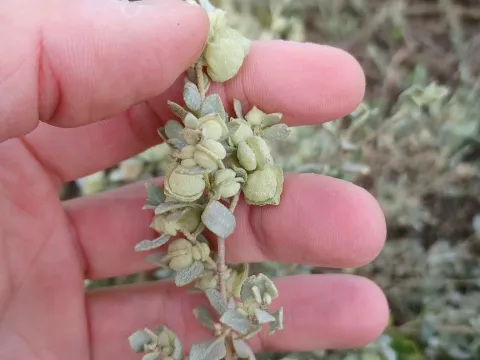
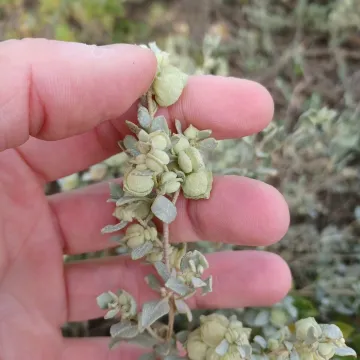
Botanically, the plant grows as a small shrub characterized by its succulent leaves covered in fine hairs that reflect sunlight and reduce transpiration. The common name arises from the bladder-like structures surrounding the female flowers, which are a distinct morphological feature used for plant identification.
Regarding climate and soil requirements, Bladder saltbush is a halophyte, meaning it flourishes in saline soils that would be toxic to most conventional crops. It demands full sun exposure and well-drained substrates. Agricultural management focuses on sustainable grazing practices rather than intensive cultivation, ensuring the plant remains vigorous over several seasons.
In terms of хозяйственное usage, it serves as a crucial dry-season forage crop for sheep and cattle. Its nutritional profile, particularly its mineral content, helps livestock maintain condition during drought periods. Common pests include various leaf-eating insects, though the plant typically maintains a high survival rate due to its robust natural defenses and environmental hardiness.
- Extreme drought and salinity tolerance
- High nutritional value for rangeland grazing
- Low maintenance and fertilizer requirements
- Effective cover crop for erosion control
Photo gallery