Australian desert-lime
Eremocitrus glauca (Lindl.) Swingle
Description
Australian desert-lime (botanical name Eremocitrus glauca) is a remarkable plant belonging to the Rutaceae family. Native to the semi-arid regions of Australia, this species is renowned for its incredible hardiness and ability to thrive in harsh environments where other citrus varieties would fail. It is a unique member of the citrus group, often valued for its extreme drought and heat tolerance.
The origin of the species is linked to the inland plains of Australia. It is geographically distributed across Queensland and New South Wales, where it withstands significant temperature fluctuations and prolonged dry spells. The plant's ability to survive in challenging soils makes it an interesting subject for agricultural study, particularly in arid land reclamation projects.
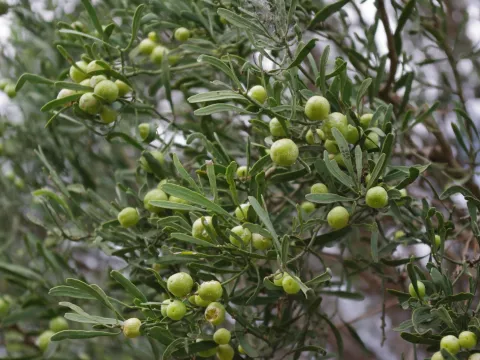
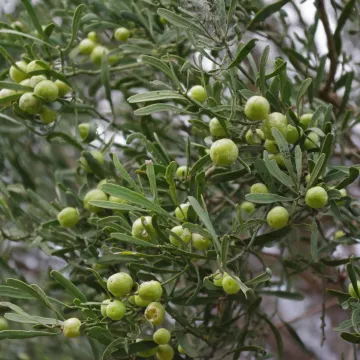
Botanically, the desert-lime is a deciduous or semi-evergreen shrub or small tree, characterized by sharp thorns and grayish-green, glaucous leaves that help reduce transpiration. The plant produces small, round, or pear-shaped fruits with a sharp, tangy lime flavor. Its root system is exceptionally robust, allowing it to tap into moisture deep within the soil profile.
Cultivation requirements involve providing well-draining soil and a sunny location. Unlike standard citrus trees, the desert-lime performs best in poor, sandy, or heavy clay soils that are not waterlogged. Agrotechnical practices focus on mimicking its natural environment: infrequent deep watering and avoidance of high nitrogen fertilizers, which can stimulate excessive foliage growth at the expense of fruit production.
Key areas of economic and agricultural use include:
- Culinary applications for gourmet sauces, jams, and preserves.
- Rootstock development for breeding drought-resistant commercial citrus varieties.
- Eco-friendly horticulture and arid landscape design.
- Sustainable harvesting of wild populations for native food markets.
Regarding pest and disease management, the Australian desert-lime is generally more resistant than domesticated citrus. However, it can still be affected by scale insects, aphids, and mites if stressed. Root rot is the primary physiological disorder caused by poor drainage or overwatering. Maintaining optimal aeration and avoiding water stagnation is essential for a healthy crop in intensive cultivation systems.
Photo gallery