Australian lemon myrtle
Backhousia citriodora F. Muell.
Description
Australian lemon myrtle (lat. Backhousia citriodora) is a flowering plant within the Myrtaceae family, renowned for its exceptionally high citral content. Native to the subtropical rainforests of Australia, this species is highly valued for its intense, clean citrus scent, which is more powerful than that of common lemon-scented herbs.
The plant originates from the coastal regions of Queensland. In cultivation, it thrives in warm, humid climates with well-distributed rainfall. It is intolerant to hard frosts, which limits its commercial production to frost-free zones or necessitates protected greenhouse environments during colder months.
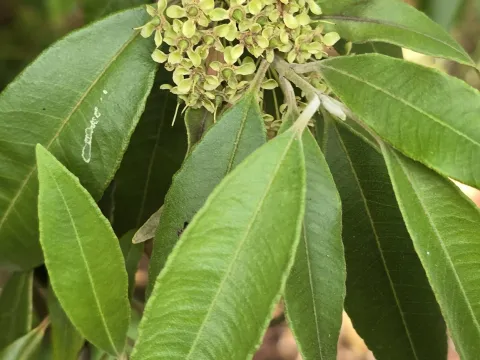
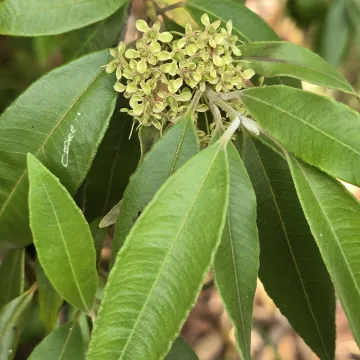
Botanically, lemon myrtle is a perennial tree that can reach significant heights, but in commercial plantations, it is typically pruned to a manageable shrub size. Its leaves are opposite, lanceolate, and possess distinct oil glands that store the potent citral-rich essential oil, which serves as the plant's primary commercial product.
Successful agronomic management requires fertile, well-draining soil with a slightly acidic to neutral pH. Regular irrigation is essential during dry spells, and mulching is recommended to retain soil moisture and suppress weed growth. Farmers must implement a balanced fertilization schedule, particularly rich in nitrogen, to promote vigorous vegetative growth of the leaves.
The crop is utilized primarily for its essential oil, which has antimicrobial and flavoring properties. Common threats include leaf spot fungi, which thrive in damp, stagnant air, and insect pests like scale insects or mites. Integrated pest management (IPM) is standard practice to maintain plant health and ensure the highest quality of the essential oil yield.
- Highest natural source of citral in the plant kingdom.
- Extensive use in food, personal care, and therapeutic sectors.
- Requires protection from frost and cold winds.
- Sustainable harvest through systematic mechanical pruning.
Photo gallery