Austrodanthonia richardsonii
Austrodanthonia richardsonii (Cashmore) H. P. Linder
Description
Austrodanthonia richardsonii, commonly known as a type of wallaby grass, is a perennial grass species within the Poaceae family. It is recognized as a vital component of native grasslands in its natural habitat, highly valued for its persistence and forage quality in challenging environments.
The plant originates from southeastern Australia, where it has adapted to a range of climatic conditions, from temperate regions to semi-arid zones. Its natural distribution demonstrates its ability to survive in environments where seasonal rainfall is unreliable, making it a critical species for ecological restoration and agricultural grazing systems.
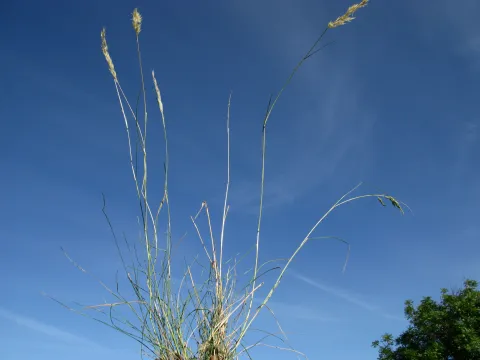
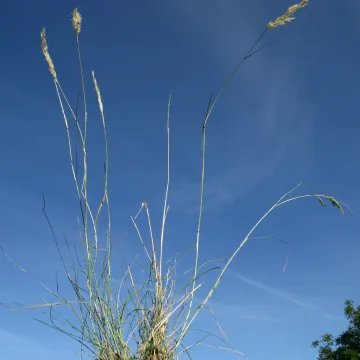
Botanically, this species is characterized by its tufted growth habit and narrow, often inrolled leaves that reduce transpiration. The inflorescence is a panicle, and the florets are notable for their conspicuous, hairy awns. The deep root system allows the plant to stabilize soil effectively and survive periods of significant drought.
Cultivation requirements for Austrodanthonia richardsonii include well-drained soils, although it is notably tolerant of acidic and low-nutrient substrates where other grasses often struggle. It thrives in open, sunny environments and is highly responsive to managed grazing, which encourages tillering and maintains the density of the stand.
The primary economic use of this crop is in the livestock industry, specifically for permanent pasture improvement. It is appreciated for maintaining green biomass during the summer months. While generally robust, it should be monitored for common grass pests such as aphids and, in poorly managed stands, potential issues with fungal crown rots during prolonged wet spells.
Photo gallery