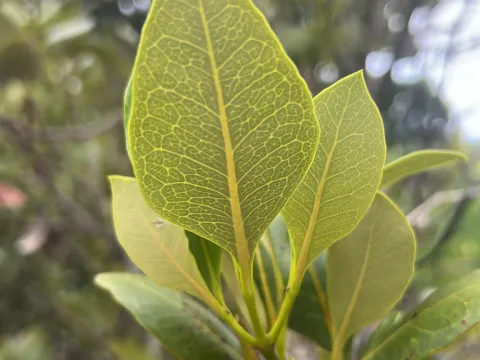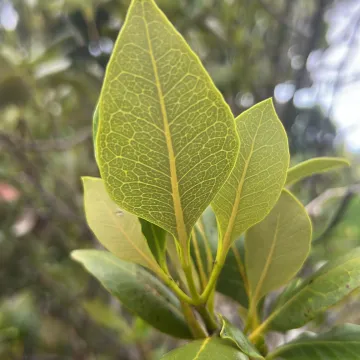
Grey mangrove
Avicennia resinifera
Description
The Grey mangrove (Avicennia resinifera), scientifically known as Avicennia resinifera, is a distinctive mangrove species belonging to the Acanthaceae family. This hardy, evergreen tree is specifically adapted to coastal environments, thriving in the challenging conditions of intertidal zones. It serves as a keystone species within its ecosystem, providing critical services that support both marine and terrestrial biodiversity.
Originating from the tropical and subtropical regions of Southeast Asia, Australia, and New Zealand, the species is found along protected shorelines and estuaries. While not a conventional agricultural crop, it is managed as a vital natural asset in coastal regions. Its distribution is strictly limited by salinity gradients and tidal inundation patterns, making it highly specialized for wetland habitats.
Botanically, the plant is characterized by its complex root system, featuring pneumatophores that protrude above the soil to facilitate gas exchange in oxygen-depleted, waterlogged sediments. The leaves possess unique salt-secreting glands, an evolutionary adaptation that allows the tree to maintain internal homeostasis despite the high salinity of its environment. This physiological trait is essential for its survival in brackish waters.
The requirements for growth are specific: the tree demands consistent moisture, exposure to saltwater, and high levels of solar radiation. Cultivation efforts in mangrove restoration projects require careful monitoring of sedimentation rates and water quality. Unlike land-based agriculture, the management of Avicennia involves protecting the natural hydrological flow rather than applying synthetic inputs or fertilizers.
Major господарські (economic) applications include:
- Sustainable production of timber for local construction purposes.
- Extraction of resins for traditional medicinal and industrial applications.
- Coastal erosion control and protection against storm surges.
- Provision of essential nurseries for shrimp, crabs, and fish species.
Regarding pests and diseases, the Grey mangrove is remarkably resilient due to its specialized chemical defenses, including high concentrations of tannins and mineral salts. However, localized infestations of wood-boring insects or foliage-feeding caterpillars can occur. The primary threats are environmental disturbances, such as chemical pollution and the destruction of the tidal flow, which can lead to the rapid decline of individual mangrove stands.
Photo gallery