Tucum palm
Astrocaryum vulgare Mart.
Description
The tucum palm (Astrocaryum vulgare Mart.) is a multi-stemmed palm species belonging to the Arecaceae family. Characterized by its spiny trunk and fronds, this plant is an essential agricultural resource in the Amazon basin, recognized for its productive capacity and the high nutritional value of its fruits.
Originating from the tropical regions of South America, specifically Brazil and neighboring countries, the tucum palm thrives in hot, humid climates. It is highly adaptable to various soil types, including those considered marginal or sandy. The tree is notable for its resilience and ability to grow in areas that experience periodic waterlogging.
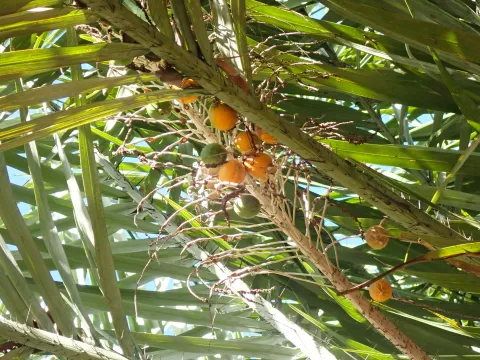
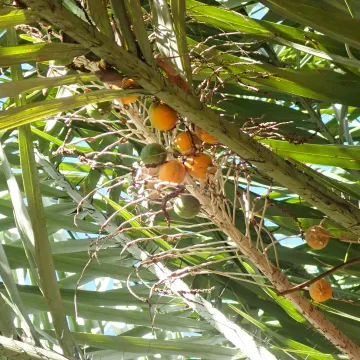
Botanically, the plant can reach heights of up to 15 meters. It develops large, pinnate leaves and produces orange-red drupes. Each fruit contains an oily endosperm inside a hard seed, which is the primary source of the valuable tucum oil. The plant's structure, often growing in clumps, allows for systematic harvesting of the fruits over several months.
Cultivation practices require careful nursery management. Seeds are typically slow to germinate, requiring specific moisture levels and temperature control. Once established in the field, the plants need moderate maintenance, focusing on weed management and balanced fertilization to maximize fruit yield. The palm is known to be sun-loving and performs best in open or semi-open canopy environments.
The economic significance of the tucum palm is substantial. The fruits are consumed locally, while the oil extracted from the kernels is a staple in the cosmetics industry for its moisturizing properties and high beta-carotene content. Additionally, the fibers extracted from the leaves are used in traditional and small-scale manufacturing of handicrafts.
- Pests: The palm weevil (Rhynchophorus palmarum) is a major threat to the growing point.
- Diseases: Leaf spot fungi can develop under high humidity conditions without proper airflow.
Photo gallery