Baccharis articulata
Baccharis articulata
Description
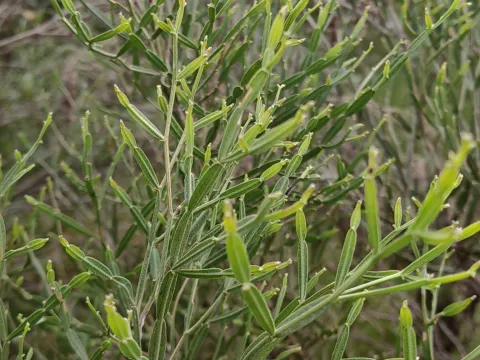
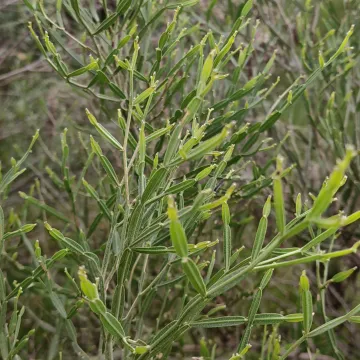
Baccharis articulata is a perennial subshrub belonging to the Asteraceae family. This species is recognized for its unique morphology, characterized by flat, articulated, green stems that perform photosynthesis, effectively replacing leaves to conserve water in arid or semi-arid environments.
The plant originates from South America, with a native range spanning Argentina, Uruguay, and Southern Brazil. It typically inhabits open grasslands, rocky fields, and mountain slopes. Its natural adaptation to these rugged habitats makes it a resilient plant capable of thriving in poor soils and under varying temperature regimes.
Botanically, the plant grows to a height of approximately 0.5 to 1 meter. Its stems feature distinctive wing-like appendages. The flowering stage produces small, clusters of capitate inflorescences that attract various pollinators. The root system is robust and deep-reaching, allowing the plant to secure nutrients and moisture effectively.
Agrotechnical requirements for Baccharis articulata focus on well-draining soils and full sunlight exposure. The crop does not tolerate waterlogging, which often leads to root rot diseases. It performs well in sandy or rocky soil textures with a slightly acidic to neutral pH. Proper soil aeration is critical during the initial establishment phase.
Economically, the plant is primarily harvested for its medicinal properties. Extracts derived from Baccharis articulata contain secondary metabolites, such as flavonoids and terpenes, which are utilized in pharmaceutical products for their anti-inflammatory, digestive, and hepatoprotective effects. It is a valued species in local traditional medicine systems.
- Excellent tolerance to low-nutrient soils
- Strong resistance to drought
- High content of bioactive compounds
- Low maintenance requirements
Photo gallery