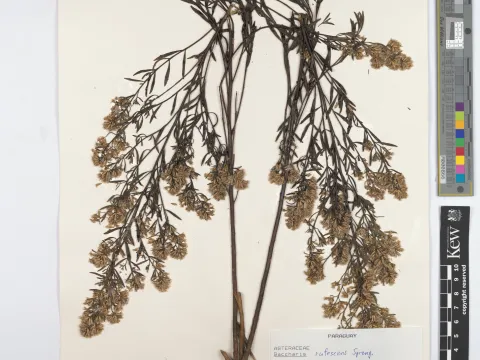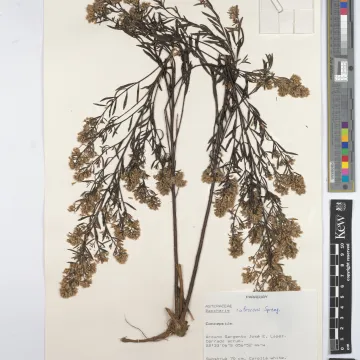

Rufous baccharis
Baccharis rufescens
Description
Rufous baccharis (Baccharis rufescens) is a perennial shrub belonging to the diverse Asteraceae family. Known for its robust nature, this plant has gained attention in botanical and agricultural circles for its resilience and adaptability to challenging environments.
Native to the regions of South America, this species thrives in tropical and subtropical zones. It is commonly found in open spaces, forest edges, and along riversides. Its distribution is closely linked to its ability to colonize disturbed soils, making it a pioneer species in certain ecological niches.
Botanically, Baccharis rufescens is characterized by dense foliage and leather-like leaves that exhibit a distinct reddish-brown tint under certain conditions. The plant produces small, inconspicuous flower heads that are highly attractive to local pollinators, playing a significant role in the local ecosystem's biodiversity.
Cultivation requirements prioritize well-drained soil and full sun exposure. It is highly sensitive to waterlogging, which can cause root rot, therefore site selection should account for soil permeability. In terms of maintenance, periodic pruning is essential to preserve the shrub's shape and prevent it from becoming overgrown or woody at the base.
The practical uses for this culture are diverse and include:
- Landscape design in arid and semi-arid climates.
- Environmental restoration to prevent soil erosion.
- Potential pharmacological research based on its secondary metabolite profile.
Common issues faced by cultivators include fungal outbreaks during excessively rainy seasons and infestations by common pests like spider mites and aphids. Integrated pest management, emphasizing cultural practices such as adequate spacing and regular health inspections, is the most effective approach for maintaining healthy plant stands.
Photo gallery