
Description
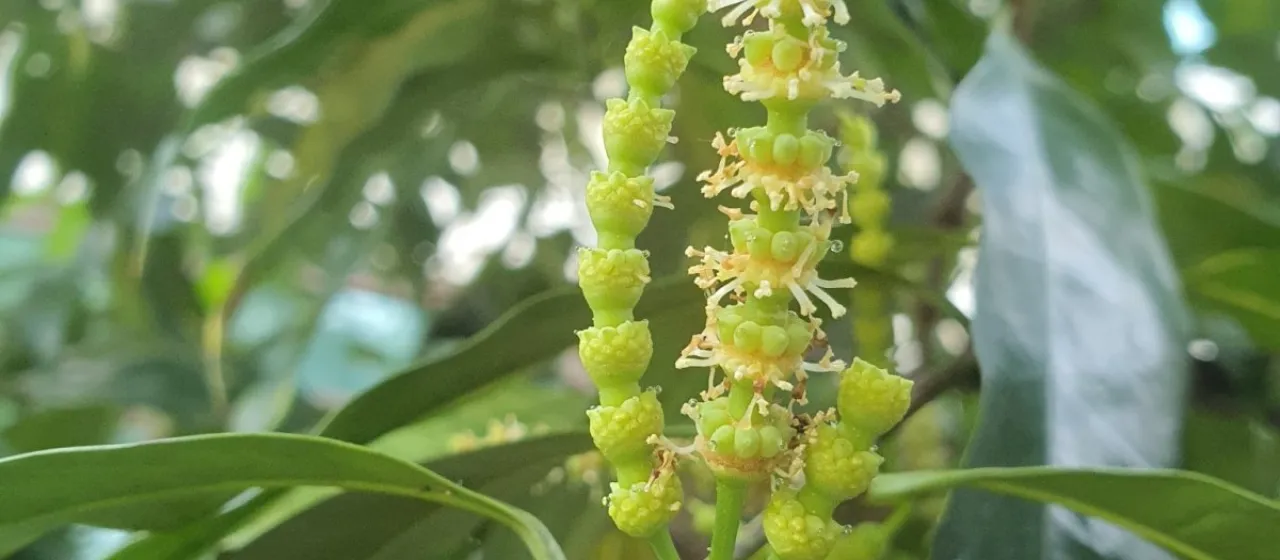
Gnetum gnemon (scientific name: Gnetum gnemon L.) is a perennial woody plant belonging to the Gnetaceae family. Unlike most gymnosperms, this species is an evergreen tree that can grow up to 15 meters tall in the wild. It is highly valued across Southeast Asia for its edible seeds, fruits, and leaves, playing a crucial role in local food systems and traditional agroforestry.
The plant is native to the tropical regions of Southeast Asia and the western Pacific. It thrives in humid lowland forests and has been cultivated for centuries in Indonesia, Malaysia, and the Philippines. Due to its adaptability to tropical environments, it has become a staple crop for both small-scale household gardening and larger commercial plantations throughout the region.
Botanically, Gnetum gnemon is a dioecious tree, meaning that male and female reproductive structures are produced on separate individuals. Its leaves are opposite, elliptic, and have a leathery texture. The fruits turn a vibrant reddish-orange when mature, each containing a single hard-shelled seed. The tree exhibits a robust growth habit and is generally known for its longevity, yielding harvests for many years.
From an agricultural standpoint, the tree requires a tropical climate with high humidity and consistent rainfall. It favors deep, fertile, and well-drained soils. While it is hardy once established, young trees require protection from direct sunlight and regular weeding. Pruning is essential in commercial setups to control height and encourage side branching, which significantly improves fruit yield and harvest efficiency.
The primary economic value of Gnetum gnemon lies in its culinary applications. The roasted seeds are flattened and fried to create emping, a popular type of cracker or chip. Furthermore, the young leaves and flower clusters are widely consumed as vegetables in various local soups and stir-fried dishes. In addition to food, the plant’s fibers are used to craft traditional cordage and nets, showcasing the tree's multifaceted utility.
- Important food source in tropical Asia.
- Nutrient-rich seeds used for snack production.
- Versatile use of both leaves and fruits.
- High market demand for processed emping products.