Balloon flower
Platycodon grandiflorus (Jacq.) A. DC.
Description
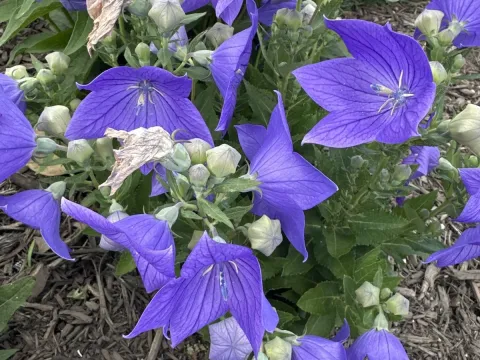
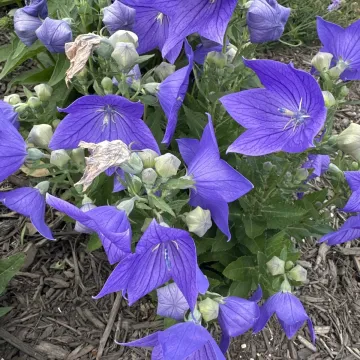
The Balloon flower (Platycodon grandiflorus) is a herbaceous perennial plant belonging to the Campanulaceae family. It is the only member of its genus, widely recognized for its unique, balloon-like flower buds that open into star-shaped blossoms with five petals.
Originating from East Asia, including China, Korea, and Japan, this plant has been cultivated for centuries. While it is highly prized in horticulture for its ornamental value, it is also a significant agricultural crop in Asian regions, where its roots are harvested for culinary and traditional medicinal purposes.
The plant features fleshy, taproot-like roots and upright stems growing between 20 to 80 cm in height. The foliage is lanceolate or ovate with serrated edges, often possessing a distinct glaucous or blue-green hue. The flowers are typically a deep blue-violet, though white and pink cultivars have been developed for commercial landscape use.
Cultivation requires well-draining, nutrient-rich soil with a neutral pH. Balloon flowers thrive in sunny locations but can tolerate partial shade in hotter climates. It is crucial to manage moisture levels carefully, as the crown of the plant is susceptible to rot in waterlogged conditions. The plant is hardy and adapts well to temperate climates with proper winter protection.
Key areas of utilization include:
- Culinary use: The roots are a popular vegetable in Korean cuisine, often sautéed or used in soups;
- Pharmacology: The plant contains saponins used in herbal medicine for respiratory relief;
- Ornamental horticulture: A staple perennial for borders, rock gardens, and container planting.
Common pests and diseases include root rot caused by poor soil drainage and susceptibility to aphids during the early spring growth phase. Maintaining good air circulation and avoiding overhead watering significantly reduces the risk of fungal infections, ensuring a healthy crop throughout the growing season.
Photo gallery