Black horehound
Ballota nigra L.
Description
Black horehound (lat. Ballota nigra L.) is a perennial herbaceous plant belonging to the Lamiaceae family. It is recognized as a significant medicinal crop, historically utilized in folk medicine and modern pharmacology for its sedative, antiemetic, and antispasmodic properties extracted from its aerial parts.
Originating from the Mediterranean region and widespread across Europe and Central Asia, the plant has adapted to various temperate climates. In agricultural settings, it thrives in environments that offer long growing seasons and sufficient soil moisture, often found in cultivated garden plots or specialized botanical farms.
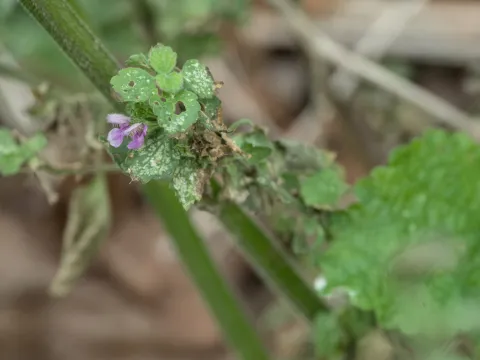
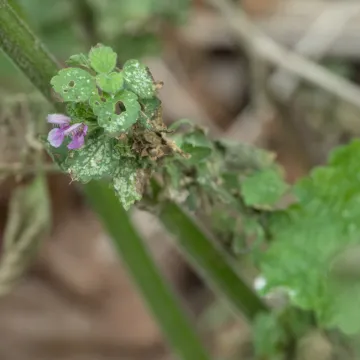
The morphology of the plant includes a hairy, branched stem reaching up to one meter, with dark green, wrinkled leaves and small, purple flowers clustered in leaf axils. The plant is easily identifiable by its strong, somewhat pungent, musk-like aroma, which serves as a defense mechanism against certain herbivores.
Cultivation requirements involve well-drained, nutrient-rich soils with a preference for slightly alkaline substrates. Farmers must ensure proper spacing between plants to maintain airflow, which is critical for preventing fungal diseases. Maintenance includes regular weeding, as the plant can be sensitive to aggressive competition from invasive weeds during the early establishment stage.
Common health issues for the crop include mildew and root rot caused by poor drainage or excessive humidity. Pests such as aphids may occasionally cluster on the flower heads, necessitating early detection and organic control methods. Proper post-harvest drying is essential to maintain the concentration of active essential oils and flavonoids used in pharmaceutical production.
Photo gallery