Baphia pubescens
Baphia pubescens
Description
Baphia pubescens is a perennial woody plant belonging to the Fabaceae family. As a significant representative of its genus in tropical ecosystems, it is recognized for its unique wood properties and its role in local agroforestry systems within the African continent.
The origin of Baphia pubescens is linked to the tropical regions of Africa, where it thrives in diverse environments, including forest fringes and savanna areas. Its cultivation requires a strictly tropical climate characterized by high humidity levels and consistent, warm temperatures throughout the entire calendar year to ensure optimal growth and development.
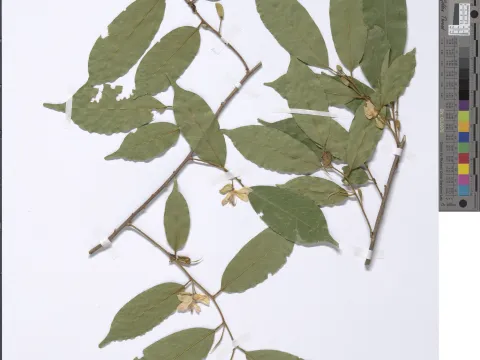
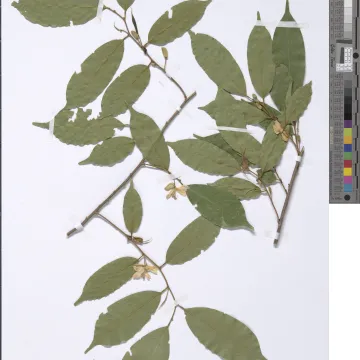
Botanically, the species is distinguished by its typical legume-family flowers and dense wood structure. The plant exhibits features that allow it to withstand varied light conditions, although it performs best in full sun or light canopy openings. The foliage is often pubescent, which helps in moisture retention and protection against certain environmental stressors.
The agronomic requirements for this crop focus on soil fertility and moisture management. It prefers deep, well-draining soils that are slightly acidic to neutral. Regular agricultural practices include mulching to retain soil moisture and integrated pest management to protect the crop from specific local wood-boring insects and fungal pathogens that affect legumes.
The economic and practical importance of Baphia pubescens is multifaceted. Primarily, the plant is known for its wood, which has a long history of being used as a source of natural dyes in traditional textile industries. Beyond dyes, its durable wood is utilized in fine woodworking, furniture making, and local craft industries. Scientific interest in the species is also increasing regarding its potential pharmacological properties derived from plant secondary metabolites.
Photo gallery