Malabar spinach
Basella alba L.
Description
Malabar spinach (Latin Basella alba L.) is a perennial, sprawling, herbaceous vine belonging to the Basellaceae family. Unlike common spinach, this plant thrives in hot and humid conditions, earning it the reputation of an excellent summer leafy vegetable. Its thick, succulent leaves and stems are highly prized for their nutritional density and texture.
The plant is native to tropical Asia and Africa, where it has been cultivated for centuries. Its natural range encompasses tropical regions across the globe, where it grows as a perennial. In temperate climates, it is typically grown as an annual in greenhouses or as a seasonal garden plant, as it cannot tolerate frost and ceases growth when temperatures drop significantly.
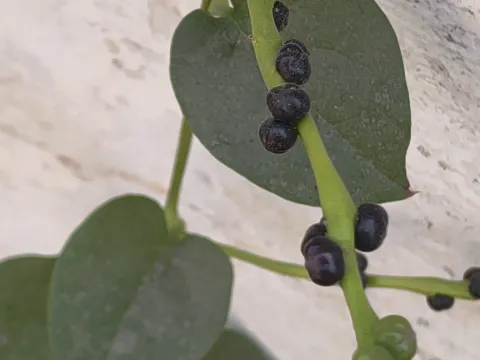
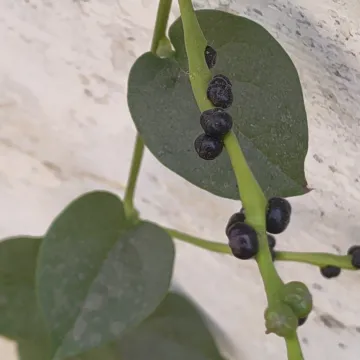
Botanically, Basella alba is characterized by its twining stems that can reach several meters in length if provided with support. The leaves are broad, succulent, and heart-shaped, with a mild, slightly peppery flavor. The flowers are small, spike-like inflorescences, followed by dark, purplish-black berries that contain a strong red pigment, often used as a natural coloring agent in various traditional preparations.
Successful cultivation requires warm weather, with optimal growth temperatures ranging from 20°C to 35°C. It prefers rich, well-draining soil with a pH between 6.0 and 7.0. Regular irrigation is essential to maintain the succulence of the leaves. As a climbing plant, it benefits significantly from trellis systems, which improve air circulation, ease harvesting, and maximize space in small-scale vegetable gardens.
Economically and culinarily, Malabar spinach is utilized for its leaves and young shoots, which are eaten raw in salads or cooked in stir-fries, soups, and curries. It is particularly valued in dietary nutrition due to its high levels of vitamins A and C, iron, and calcium. Beyond its food value, the plant is also grown for ornamental purposes due to its fast-growing, lush green foliage that quickly covers fences or walls.
- High heat tolerance makes it ideal for summer gardens.
- Susceptible to root rot in waterlogged, poorly drained soil.
- Can be propagated easily by stem cuttings or seeds.
- Excellent source of dietary fiber and antioxidants.
Pests such as aphids, leaf miners, and slugs can occasionally infest the vines, especially in greenhouse environments. Diseases like leaf spot and various fungal wilts may occur if humidity levels are not managed correctly. Maintaining good garden hygiene, ensuring proper plant spacing, and avoiding overhead watering are key management strategies for preventing these common horticultural issues.
Photo gallery