Bassia dasyphylla
Bassia dasyphylla
Description
Bassia dasyphylla, formerly classified under the genus Echinopsilon, belongs to the Amaranthaceae family. This annual herb is well-known in arid environments for its ability to thrive in challenging soil conditions. As an agricultural interest, it represents a group of plants capable of stabilizing soils in harsh, saline-prone regions.
The plant originates from the Eurasian arid zones, including Central Asia. Its natural habitat includes semi-deserts and salt-affected lands. Over time, it has established itself as a resilient species that occupies ecological niches where high salinity levels prevent the growth of traditional crop varieties.
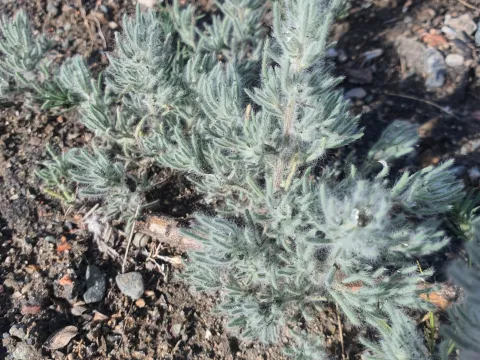
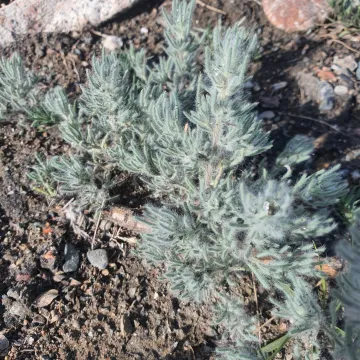
Botanically, the plant features a branched, pubescent stem and narrow, linear leaves. This dense covering of fine hairs is a key adaptation for water retention and protection against high solar radiation. Its life cycle is perfectly synchronized with brief periods of moisture, allowing for rapid seed production and dispersal.
Agronomic requirements for this crop focus on minimal intervention. It does not require intensive tillage or fertilizer application. Growers must manage it carefully, however, to prevent it from outcompeting main crops. Successful cultivation relies on well-drained, porous soils that mimic its natural wild environment.
In terms of usage, the plant is primarily researched for its potential in land reclamation and its role in grazing systems within drought-prone areas. Typical pests include various species of aphids and beetles, while diseases are generally limited to root decay if the soil remains excessively saturated for prolonged periods.
Photo gallery