
Chinaberry
Melia azedarach L.
Description
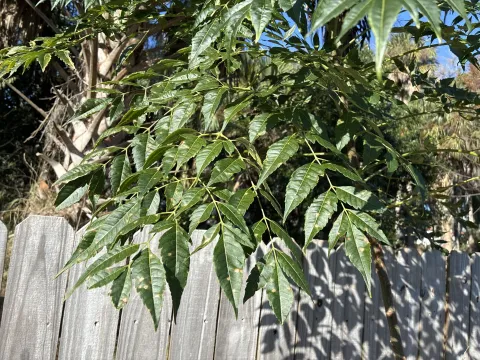
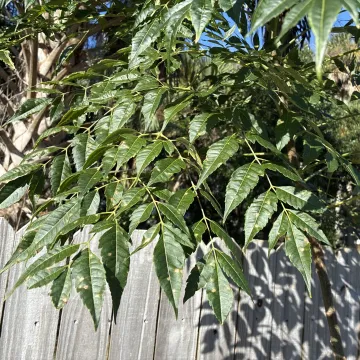
The Chinaberry tree (Melia azedarach L.) is a fast-growing deciduous species belonging to the Meliaceae family. Known for its rapid development, it is highly valued in forestry and urban planning. The tree displays a graceful canopy with delicate, bipinnate leaves and produces fragrant, lilac-colored flowers that add significant aesthetic value to its environment.
Originally native to tropical and subtropical Asia, the Chinaberry has successfully naturalized across various warm regions globally. It thrives in areas with mild winters and long growing seasons. While it displays remarkable tolerance to various soil conditions, optimal growth is achieved in deep, fertile, and well-drained soils, where it can reach substantial height and diameter in a relatively short period.
From a botanical standpoint, the species is recognized for its high adaptability. The bark and leaves possess chemical compounds that give the tree natural resistance to many pests. In autumn, the tree is adorned with persistent, yellow, berry-like drupes. These fruits are ecologically significant, though they contain substances that can be toxic if ingested, which must be considered when selecting planting locations.
Agrotechnical management requires consistent pruning during the early years to encourage a strong, straight trunk, which is essential for timber production. While mature trees are highly drought-tolerant, young specimens require adequate irrigation to establish their root systems. The species prefers full sun exposure and performs poorly in shaded environments, which can lead to sparse foliage and weak branch development.
Key areas of economic and agricultural use include:
- High-quality lumber production for furniture and cabinetry.
- Extraction of secondary metabolites for biopesticides.
- Application in agroforestry systems as windbreaks and soil stabilizers.
- Urban landscape restoration in subtropical climates.
Management of pests and diseases is essential for productive stands. Common pests include spider mites and scale insects, which are typically controlled through regular monitoring and appropriate horticultural oils. Diseases, such as root rot, are often linked to improper drainage or excessive soil moisture. Maintaining optimal orchard hygiene and ensuring proper air circulation within the canopy are key to preventing fungal outbreaks.
Photo gallery