Belladonna
Atropa belladonna L.
Description
Belladonna (Atropa belladonna L.) is a perennial herbaceous plant belonging to the Solanaceae family. In agriculture, it is classified as a significant medicinal crop, highly valued for its high concentration of tropane alkaloids, specifically hyoscyamine, atropine, and scopolamine, which are vital for medical, surgical, and ophthalmological applications.
The plant is native to Europe, North Africa, and Western Asia. In its natural habitat, it typically thrives in shady, moist forest clearings and along stream banks. For commercial agricultural production, successful cultivation requires emulating these specific environmental conditions, particularly regarding soil fertility and moisture management in temperate climate zones.
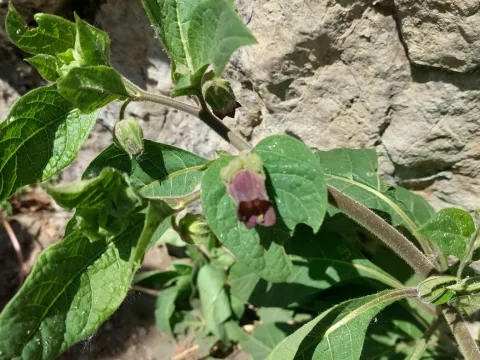
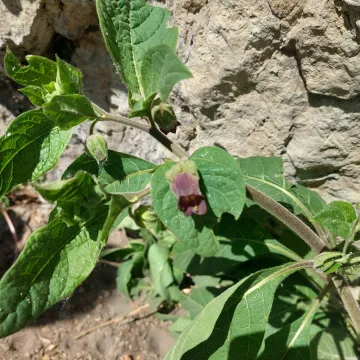
Botanically, belladonna is characterized by its large, ovate leaves and solitary, drooping bell-shaped flowers that appear in purple-brown hues. The plant produces glossy black berries that are highly toxic. The root system is complex and fleshy, capable of reaching significant depths, which contributes to the plant’s resilience once established in the field.
- Requires deep, well-drained loamy soils.
- Prefers partial shade or moderate sun exposure.
- Requires consistent moisture during the growing season.
- Needs winter stratification for optimal seed germination.
- High sensitivity to waterlogging.
Regarding agronomic management, belladonna requires careful soil preparation, including deep plowing and organic enrichment. The crop is often started in greenhouses as seedlings before being transplanted to the field. Weed control is essential during the first year, as the plant is a slow grower initially, making it vulnerable to competition from more aggressive weeds.
Common pests include Colorado potato beetles, aphids, and various lepidopteran larvae. Disease management focuses on preventing fungal pathogens such as root rot and leaf spot, which are common in dense, high-moisture plantations. Given the plant's high toxicity, stringent safety protocols and specialized training for field workers are mandatory throughout the entire cultivation cycle.
Photo gallery