Sesame
Sesamum indicum L.
Description
Sesame (Sesamum indicum L.) is a prominent annual herbaceous crop belonging to the Pedaliaceae family. Known as one of the oldest oilseed crops in human history, it is widely valued for its nutrient-dense seeds, which contain high levels of oil, protein, and essential minerals.
The crop originated in tropical regions of Africa and parts of India. Currently, its cultivation is centered in regions with warm, semi-arid climates, including large-scale production in countries such as India, China, Sudan, and Myanmar. It thrives in environments where growing seasons are long and temperatures remain consistently high throughout the development cycle.
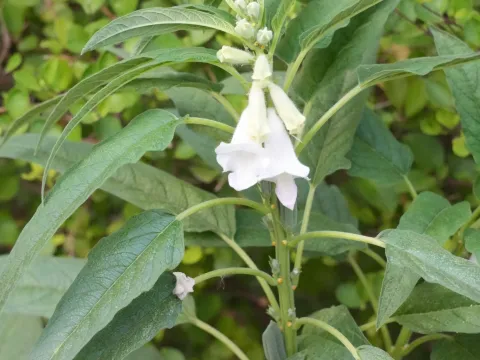
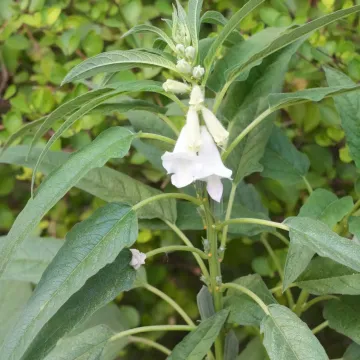
Botanically, the sesame plant typically reaches heights ranging from 60 cm to over a meter. It features a branched stem and leaves that grow in an opposite or alternate pattern. The bell-shaped flowers are typically white or pink. Once fertilized, the plant produces capsules containing numerous small, oily seeds, which come in a variety of colors ranging from white to charcoal black.
Sesame cultivation requires careful attention to environmental conditions. The plant is highly sensitive to cold and requires significant heat units to reach maturity. Optimal soils are well-drained, sandy loams with moderate fertility. During the early stages of growth, the crop is slow to develop, making it essential to manage weed competition efficiently to ensure the plant can establish a strong root system.
The economic versatility of sesame makes it a staple in global trade, serving multiple industries:
- Food industry: Production of sesame oil, tahini, and use as a topping for baked goods and confectionery products.
- Health and Cosmetic industry: High-quality oil is used in skincare products and various pharmaceutical formulations.
- Animal nutrition: Sesame meal is a protein-rich byproduct used as a supplement in livestock feed.
Like any agricultural crop, sesame is susceptible to various pests and diseases. Common threats include Fusarium wilt and bacterial blight, which can severely impact yield in humid conditions. Additionally, pests such as aphids and various larvae can damage the foliage and pods. Successful agronomy relies on proper crop rotation, field hygiene, and timely intervention to maintain high productivity.
Photo gallery