
Asian barberry
Berberis asiatica
Description
Asian barberry (Berberis asiatica) is a prominent species within the Berberidaceae family. It is a dense, evergreen to semi-evergreen shrub, highly valued for its adaptability and rugged growth habit. In professional cultivation, it is often utilized both as an ornamental hedge and as a source of bioactive compounds.
The native distribution of this species is centered in the Himalayan region, spanning across parts of India, Nepal, and Bhutan. It thrives in high-altitude environments where it grows on rocky slopes and in mountainous woodlands. Because of this origin, the plant is naturally conditioned to tolerate poor soil conditions and fluctuating weather patterns.
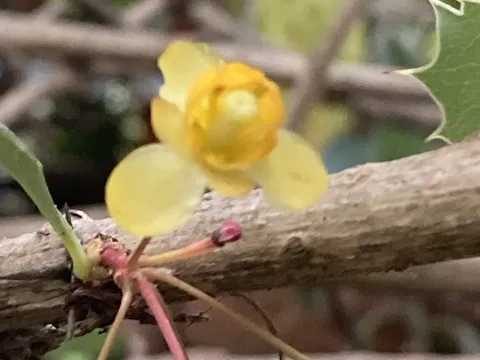
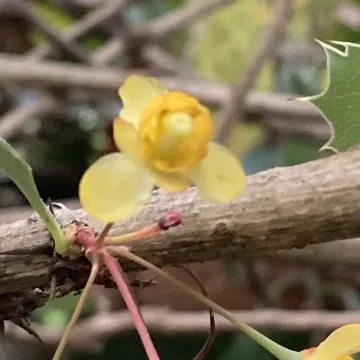
Botanically, Berberis asiatica is characterized by stiff, leathery leaves and formidable spines on its stems. It produces brilliant yellow, fragrant flowers that typically bloom in the spring, followed by succulent, dark-colored berries later in the season. The plant's root system is extensive, aiding in soil stabilization on uneven terrain.
Agricultural success depends on providing well-drained, porous soil with a slightly alkaline to neutral pH. While the species is relatively hardy, it performs best in regions with full sun to partial shade. Irrigation should be managed carefully to avoid waterlogging, which is a major precursor to root rot and other fungal diseases in this genus.
The economic and agricultural utility of this plant is significant. The fruits are commonly harvested for use in traditional recipes, while the roots and bark are rich in berberine, an alkaloid with proven pharmaceutical benefits. Farmers and gardeners also plant it as an effective bio-fence that provides habitat for beneficial insects and prevents soil erosion.
- Excellent choice for xeriscaping and low-maintenance gardens.
- Moderate pest resistance; keep an eye out for aphids.
- Regular pruning preserves the plant's structural integrity.
- Easy to propagate via semi-hardwood cuttings in summer.
Photo gallery