Declinate barberry
Berberis declinata
Description
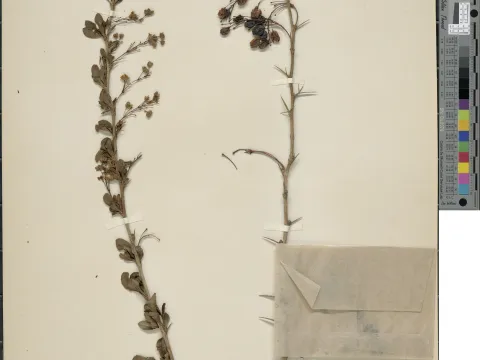
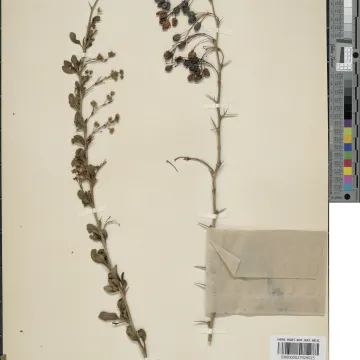
Declinate barberry (Berberis declinata) is a deciduous shrub species belonging to the Berberidaceae family. It is highly regarded by horticulturists for its elegant growth habit, resilient nature, and aesthetic value, making it a versatile choice for both public and private green spaces.
This species is native to specific mountainous regions of Southeastern Europe. It naturally thrives in rocky, well-drained slopes and forest edges, which has allowed it to evolve into a hardy plant capable of surviving in various climate zones and nutrient-poor soil conditions.
Botanically, the plant is characterized by its sturdy stems armed with sharp spines. Its leaves are typically elongated and offer significant seasonal interest, transitioning from fresh greens in the spring to deep, fiery colors in the autumn. The shrub produces small, yellow flowers in racemes, followed by the development of berries that remain on the branches into the cold season.
The agrotechnical requirements for growing Berberis declinata are straightforward. The shrub prefers full sun to light shade, which ensures optimal foliage density and coloration. While it tolerates a wide range of soil types, it performs best in well-drained, slightly loamy ground. Regular pruning is recommended to maintain the desired shape and to remove any dead or crossing branches.
In terms of хозяйственное usage, the declinate barberry is predominantly utilized as an ornamental plant. It serves as an excellent candidate for dense, impenetrable hedge formations or as a focal point in shrub borders. The plant is notably resilient against common pests, though standard preventative measures against fungal issues are advised in environments with high humidity.
- Exceptional drought resistance once established.
- High tolerance for pruning and shaping.
- Adaptability to urban pollution and wind exposure.
- Long-lasting decorative berries during the autumn and winter months.
Photo gallery