Fendler's barberry
Berberis fendleri
Description
Fendler's barberry (Berberis fendleri) is a deciduous shrub belonging to the family Berberidaceae. It is a distinctive species known for its hardy nature and its significant aesthetic value in both natural landscapes and formal garden settings.
The plant is native to the mountainous regions of North America, particularly within the states of Colorado and New Mexico. Because of its origin in rugged terrains, it has evolved to thrive in rocky, well-draining soils and withstand considerable temperature extremes, making it a robust candidate for cultivation in similar temperate climatic zones.
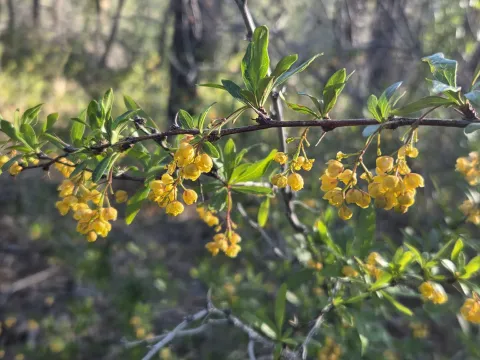
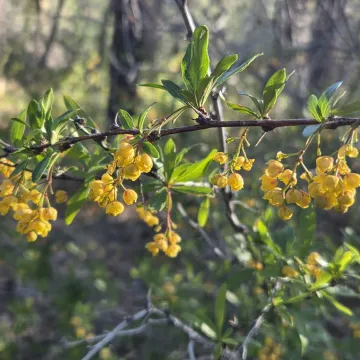
Botanically, this species is characterized by its upright, thorny stems which provide structural interest and security in garden borders. It produces small, yellow flowers that emerge in late spring, eventually maturing into vibrant red berries. These berries remain on the branches into late autumn, offering a source of food for birds and aesthetic appeal for the gardener.
Successful cultivation of Berberis fendleri requires a sunny location with soil that prevents waterlogging. It is relatively low-maintenance but benefits from annual pruning to maintain shape and encourage dense growth. Fertilizer application in early spring is recommended to support foliage production and overall plant health throughout the growing season.
Common issues affecting this species usually revolve around moisture management and specific pests:
- Powdery mildew, often triggered by high humidity levels.
- Leaf rust, which can be mitigated by ensuring proper air circulation.
- Aphids, which typically congregate on young, tender growth.
- Barberry webworm, which can cause significant defoliation if left unchecked.
Photo gallery