
Fortune's barberry
Berberis fortunei
Description
Fortune's barberry (Berberis fortunei) is an evergreen shrub that belongs to the Berberidaceae family. This species is highly regarded for its dense foliage that remains lush throughout the winter, distinguishing it from the more common deciduous members of the genus.
The plant originates from China, where it is found in diverse habitats. Its cultivation range is generally limited to regions with mild climates, as it prefers moderate temperatures and does not tolerate severe, prolonged frosts. Its presence is mostly noted in ornamental gardens, public landscaping, and specialized nursery production where it is valued for its year-round appeal.
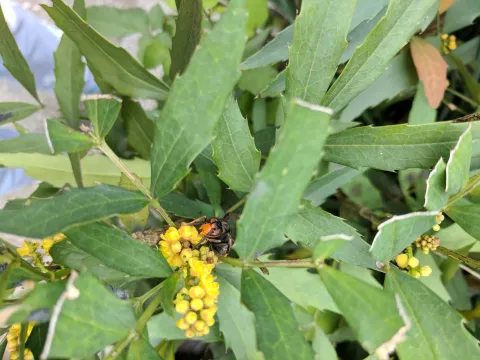
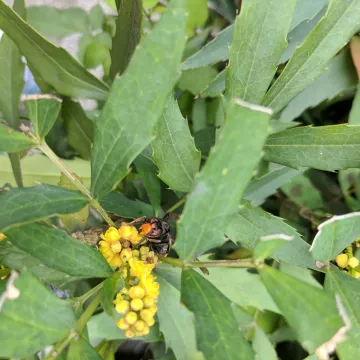
Botanically, Berberis fortunei is characterized by its upright habit, armed stems with sharp spines, and leathery, serrated leaves. During the spring season, the shrub produces clusters of yellow flowers followed by dark-colored, round berries. The plant's structure allows it to develop into a dense, impenetrable hedge when properly managed.
The agricultural requirements for this species include fertile, well-draining soil with a neutral to slightly acidic pH level. It thrives in locations with full sun to partial shade, provided it is shielded from harsh winter winds that might desiccate the evergreen leaves. Standard management practices include supplemental irrigation during dry spells and annual fertilization to support strong vegetative growth.
Like many species within its family, this barberry can be susceptible to common horticultural pests and diseases. Frequent monitoring is necessary to identify signs of powdery mildew, leaf rust, or aphid infestations early. Maintaining proper air circulation through regular pruning helps mitigate the risk of fungal infections and ensures the long-term health of the shrub.
Photo gallery