Panlan barberry
Berberis panlanensis
Description
The Panlan barberry (Berberis panlanensis) is a distinct shrub species classified within the Berberidaceae family. This culture is recognized in agricultural and botanical circles for its unique structural characteristics and its ability to adapt to specific mountain microclimates, distinguishing it from more common ornamental barberry cultivars.
Originating from the mountainous regions of China, specifically Sichuan province, this species has developed mechanisms to survive varying temperature ranges and seasonal shifts. While not a large-scale agricultural commodity, its cultivation is centered in specialized botanical gardens and nursery programs that focus on preserving and propagating rare and resilient shrub species.
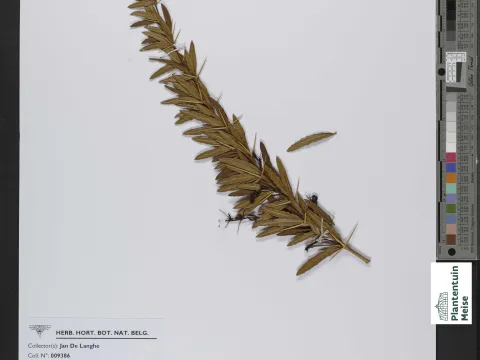
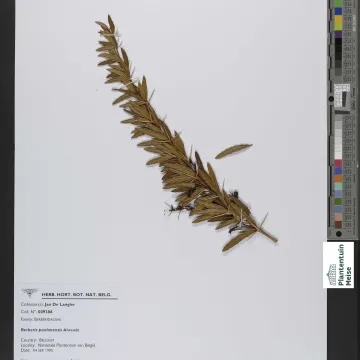
Botanically, the plant is a deciduous, thorny shrub with a complex branching pattern. Its leaves are structurally adapted to minimize moisture loss, and its thorny stems provide a significant defense mechanism. The flowering phase occurs in early spring, yielding small flowers that eventually develop into fruit typical of the Berberis genus, reflecting its evolutionary strategy for seed dispersal in mountainous terrains.
Cultivation requirements demand well-drained soil, as the species is highly sensitive to root asphyxiation caused by waterlogging. It thrives in locations with partial to full sunlight and prefers slightly acidic or neutral soil compositions. Maintaining adequate spacing is crucial in an agricultural setting to promote good air circulation, which helps reduce the incidence of fungal diseases that often affect dense shrubs.
The primary use of the Panlan barberry is in ornamental horticulture, where it is valued for its hardiness and unique appearance. From a management perspective, typical pests include aphids, which tend to congregate on tender young growth, and potential fungal issues like powdery mildew. Effective management involves proactive pruning to ensure sunlight penetration and the careful application of targeted treatments when infestations or symptoms of disease are detected.
Photo gallery