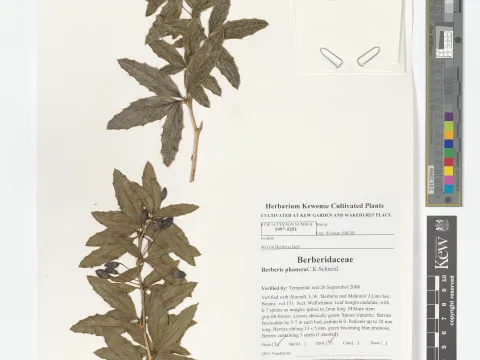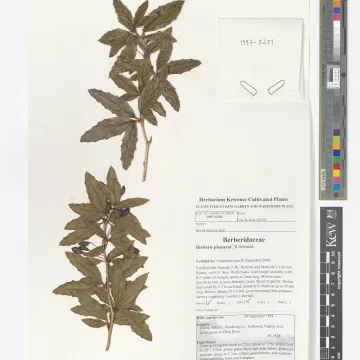
Berberis phanera
Berberis phanera
Description
Berberis phanera is a perennial shrub species belonging to the Berberidaceae family. It is recognized for its unique structural appeal and foliage patterns, making it a sought-after variety for horticultural and landscape projects. As a representative of its genus, it combines typical hardy characteristics with a distinct morphological appearance suitable for temperate climates.
The native distribution area of this species is primarily located within the mountainous regions of China. Adapted to varied topographic conditions, the plant demonstrates resilience in diverse environmental settings, ranging from rocky slopes to forest edges. These origins contribute to its high adaptability, which allows gardeners to cultivate it successfully in various parts of the world with similar climate patterns.
Botanically, the species is characterized by its woody stems armed with sharp, trifurcate spines that serve as defense mechanisms. The leaves are generally simple and leathery, providing a dense texture to the shrub's habit. During the flowering season, the plant produces clusters of small yellow blossoms, which develop into small, distinctively shaped berries typical of the barberry family.
Agricultural requirements for successful growth include planting in a sunny or semi-shaded location with well-drained, fertile soil. Berberis phanera is sensitive to waterlogged conditions, which can lead to root rot, necessitating proper soil preparation before planting. Regular maintenance involves pruning to manage size and shape, as well as applying a balanced fertilizer in the early spring to support vigorous annual growth.
In terms of хозяйственное usage, the plant is valued primarily for its ornamental role in landscape architecture, such as establishing robust hedges or accent specimens. Growers should monitor the plant for common issues to ensure optimal health:
- Powdery mildew, which often affects leaves during high-humidity seasons.
- Barberry aphid infestations that can stunt early spring shoot development.
- Leaf spot diseases, which are managed through proper air circulation and standard fungicides.
Photo gallery