Poiret's barberry
Berberis poiretii
Description
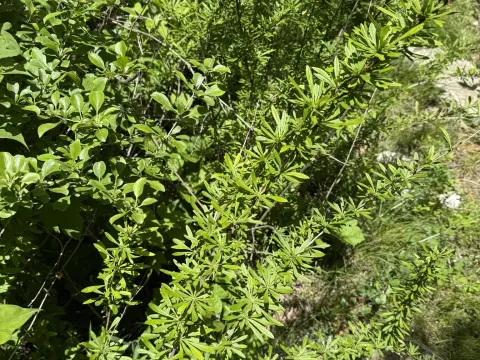
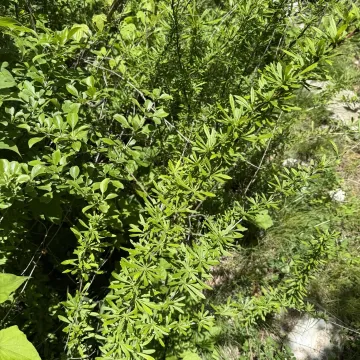
Poiret's barberry (Latin: Berberis poiretii) is a deciduous shrub belonging to the Berberidaceae family. It is widely recognized for its elegant architectural form and vibrant seasonal changes, making it a valuable asset for both commercial nurseries and private gardens.
The plant originates from East Asia, specifically regions of Northern China, Korea, and the Russian Far East. Due to its natural habitat, Berberis poiretii exhibits significant hardiness, allowing it to withstand harsh winters and variable spring temperatures, which makes it a reliable species for temperate climate zones.
Botanically, it is a spreading shrub that can reach heights of up to 3 meters. The stems are characterized by strong, sharp, three-parted spines. Its foliage is oblong, transitioning from light green in summer to brilliant shades of orange and red during the autumn months. The flowers appear in late spring as yellow, pendulous clusters, followed by distinct red berries.
Cultivation requires well-drained, fertile soil and full sun exposure to ensure optimal growth and color development. While tolerant of diverse soil types, it performs best in slightly alkaline to neutral conditions. Agrotechnical management involves annual pruning to maintain shape and density, along with regular monitoring for moisture levels, especially during the first years after planting.
Primary use is concentrated in ornamental landscaping, where it is utilized for hedges, screens, and border plantings. Although susceptible to common issues like powdery mildew and aphids, Berberis poiretii is generally regarded as a robust plant with low maintenance needs. Integrated pest management strategies using basic organic or synthetic controls are sufficient to ensure plant health and longevity.
Photo gallery