
Creeping Oregon grape
Berberis repens
Description
Creeping Oregon grape (Berberis repens) is a hardy evergreen shrub belonging to the Berberidaceae family. It is distinct for its low-growing, spreading habit, typically reaching only 1 to 2 feet in height. This morphology makes it a highly effective ground cover for various garden and environmental applications.
Native to the western regions of North America, this species is naturally adapted to rocky slopes and mountain forests. Its ability to tolerate diverse environmental conditions has made it a popular choice for cultivation in temperate climates across the globe, particularly in landscaping projects that prioritize low-maintenance, drought-tolerant vegetation.
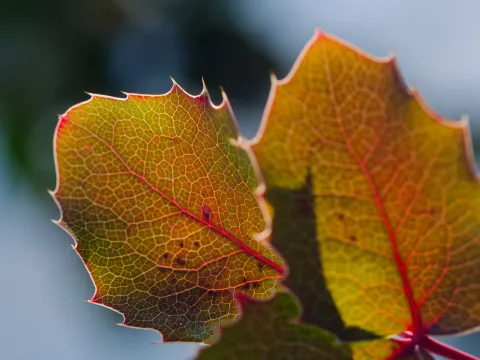
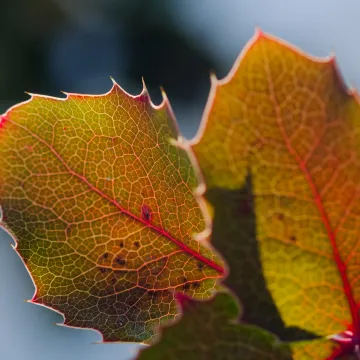
The botanical characteristics of Berberis repens include compound, leathery leaflets with prickly margins that maintain a deep green color throughout the year, often turning a bronze hue in winter. The plant produces vibrant yellow flower clusters in the spring, followed by edible, dark-blue, waxy berries that add significant ornamental value to the shrub.
From an agrotechnical perspective, this crop requires well-drained, fertile soil with a neutral to slightly acidic pH. While it is naturally drought-resistant once established, growers should ensure consistent soil moisture during the initial planting stages. It is highly valued for its adaptability to both sun and partial shade environments.
The main uses of this shrub are focused on erosion control and decorative landscaping, specifically in rock gardens or as a living border. Common health issues include fungal diseases like rust and powdery mildew, as well as occasional infestations by aphids. Proper air circulation and routine monitoring are essential for maintaining plant health in agricultural and horticultural settings.
Photo gallery